Building A Multi Step Checkout Flow With Robust State Management
Summary
Summary
Summary
Summary

This tutorial demonstrates building a multi-step checkout in Flutter using a StateNotifier-style pattern. Design an immutable checkout state, implement state transitions and side effects in a notifier, compose step widgets that consume only needed slices, centralize navigation decisions, and surface validation and loading through state for predictable, testable mobile checkout flows.

This tutorial demonstrates building a multi-step checkout in Flutter using a StateNotifier-style pattern. Design an immutable checkout state, implement state transitions and side effects in a notifier, compose step widgets that consume only needed slices, centralize navigation decisions, and surface validation and loading through state for predictable, testable mobile checkout flows.

This tutorial demonstrates building a multi-step checkout in Flutter using a StateNotifier-style pattern. Design an immutable checkout state, implement state transitions and side effects in a notifier, compose step widgets that consume only needed slices, centralize navigation decisions, and surface validation and loading through state for predictable, testable mobile checkout flows.

This tutorial demonstrates building a multi-step checkout in Flutter using a StateNotifier-style pattern. Design an immutable checkout state, implement state transitions and side effects in a notifier, compose step widgets that consume only needed slices, centralize navigation decisions, and surface validation and loading through state for predictable, testable mobile checkout flows.

Key insights:
Key insights:
Key insights:
Key insights:
  • Designing The State Model: Use an immutable state object with explicit fields for steps, payloads, validation flags, and submission status for clarity and testability.

  • Implementing The State Notifier: Put all transitions, validation, and async side effects inside a notifier so widgets stay declarative and logic is easily testable.

  • Composing The UI With Providers: Build small step widgets that watch only required state slices and invoke notifier intents; reduce rebuilds with selectors.

  • Handling Navigation And Validation: Drive navigation from state and centralize step validation in the notifier to avoid inconsistent back stacks and race conditions.

  • Testing And Performance: Snapshot state objects in tests to assert transitions, mock API calls in the notifier, and minimize UI rebuilds by selecting narrow provider slices.

Introduction

Building a multi-step checkout flow in Flutter for mobile development requires more than stacked screens: it demands predictable, testable state transitions and clear separation of concerns. This tutorial shows a compact, practical approach using a StateNotifier-based pattern (Riverpod compatible) to keep UI, navigation, validation, and side effects robust and maintainable.

Designing The State Model

Start by modeling the checkout as an immutable state object that contains the current step and payloads for that step (shipping, billing, payment). Keep small, explicit types rather than a catch-all map. Include validation flags and submission status to drive UI states (loading, success, error).

Advantages: single source of truth, easier snapshots for testing, and straightforward rollback if the user goes back. Example fields: currentStep (enum), shippingAddress, billingAddress, selectedShippingMethod, paymentMethod, isSubmitting, errorMessage.

Implementing The State Notifier

Encapsulate all state transitions in a notifier. The notifier exposes intent methods: updateShipping, chooseShippingMethod, updateBilling, submitPayment, nextStep, previousStep. Each method performs validation and returns a bool or throws a domain-specific error. Keep asynchronous side effects (API calls, tokenization) inside the notifier so widgets remain dumb.

Example notifier skeleton:

class CheckoutState { /* fields, copyWith */ }
<p>class CheckoutNotifier extends StateNotifier<CheckoutState> {<br>CheckoutNotifier(): super(CheckoutState.initial());</p>


Expose the notifier via a Provider (Riverpod) or through a top-level ChangeNotifierProvider for Provider. Because the notifier owns validation, the UI can call nextStep() and rely on the notifier to reject progression when invalid.

Composing The UI With Providers

Compose each checkout step as a small widget that consumes only the slices of state it needs. Use selectors or watch only the provider fields necessary to minimize rebuilds. Widgets should invoke notifier intent methods and render based on state (e.g., disable next button when isSubmitting or when validation fails).

Example usage pattern in a step widget:

final checkout = ref.watch(checkoutProvider.notifier);
final state = ref.watch(checkoutProvider);


Key patterns: keep form controllers local to step widgets, push validated values into the notifier via update methods, and read back validation results from state for UI feedback.

Handling Navigation And Validation

Centralize navigation decisions in one place (a parent widget or a navigation controller) that listens to state.currentStep. Avoid letting individual pages push routes directly — that leads to inconsistent back stacks and state drift. For mobile development, prefer Navigator 2.0 or guarded push/pop logic that consults the notifier before moving forward.

Validation strategy: synchronous field-level validation occurs in the widget; full-step validation lives in the notifier’s nextStep implementation. If validation fails, the notifier sets errorMessage or a validationErrors map, which the UI observes and surfaces inline. Keep asynchronous checks (address verification, payment tokenization) as part of the submit step and reflect loading via isSubmitting.

Edge cases to handle explicitly: network failures during submit, partial successes, and user-initiated back navigation during in-progress submissions. Implement cancellation tokens or guards in the notifier to ignore late responses if the user abandons the flow.

Vibe Studio
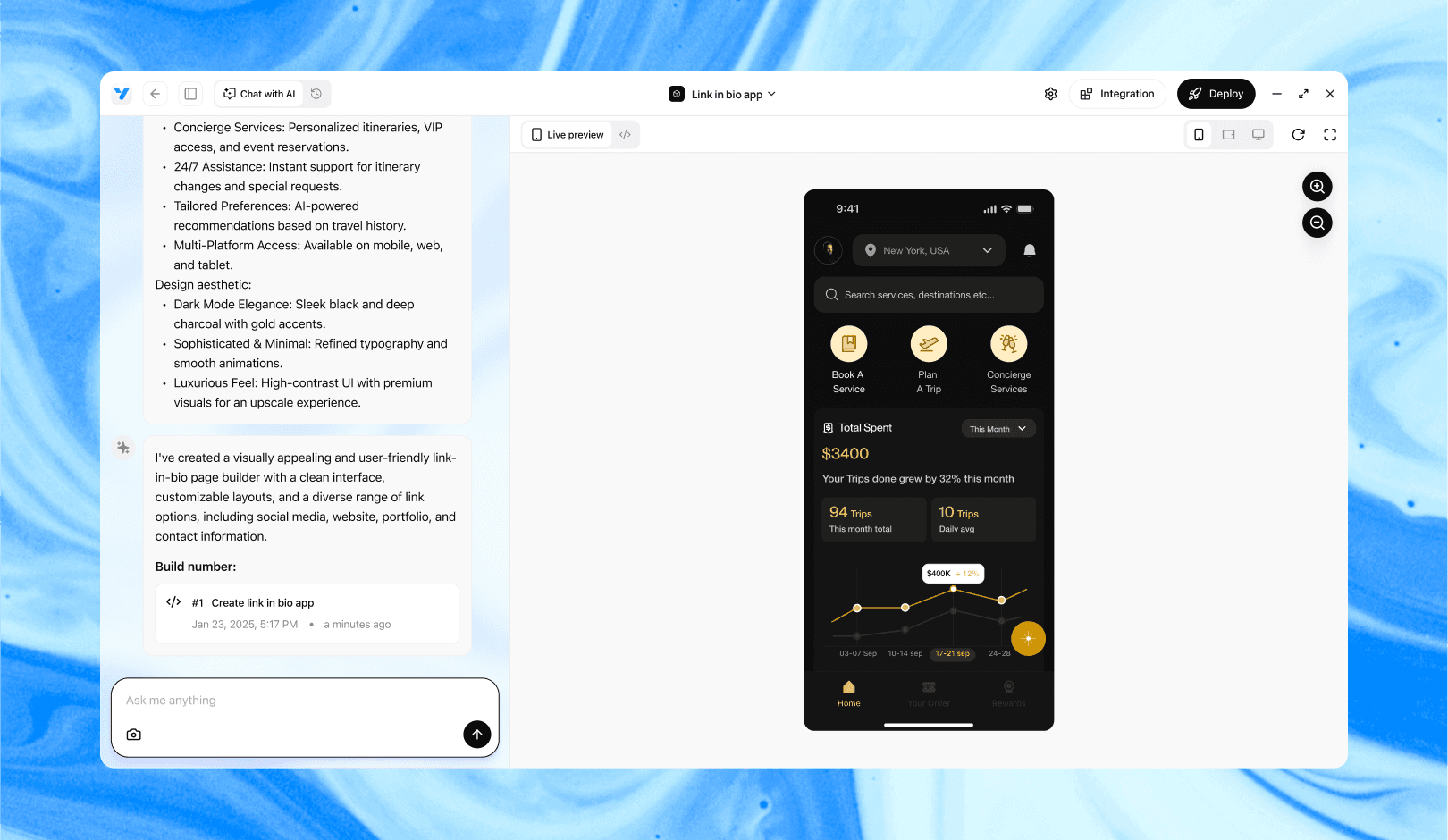
Vibe Studio, powered by Steve’s advanced AI agents, is a revolutionary no-code, conversational platform that empowers users to quickly and efficiently create full-stack Flutter applications integrated seamlessly with Firebase backend services. Ideal for solo founders, startups, and agile engineering teams, Vibe Studio allows users to visually manage and deploy Flutter apps, greatly accelerating the development process. The intuitive conversational interface simplifies complex development tasks, making app creation accessible even for non-coders.

Conclusion

A robust multi-step checkout flow in Flutter hinges on a concise state model, an authoritative state manager (StateNotifier/Provider), and minimal, focused widgets. Centralize validation and side effects in the notifier, keep UI purely declarative, and make navigation respond to state rather than drive it. This produces predictable behavior, easier testing, and a maintainable codebase for mobile development.


Introduction

Building a multi-step checkout flow in Flutter for mobile development requires more than stacked screens: it demands predictable, testable state transitions and clear separation of concerns. This tutorial shows a compact, practical approach using a StateNotifier-based pattern (Riverpod compatible) to keep UI, navigation, validation, and side effects robust and maintainable.

Designing The State Model

Start by modeling the checkout as an immutable state object that contains the current step and payloads for that step (shipping, billing, payment). Keep small, explicit types rather than a catch-all map. Include validation flags and submission status to drive UI states (loading, success, error).

Advantages: single source of truth, easier snapshots for testing, and straightforward rollback if the user goes back. Example fields: currentStep (enum), shippingAddress, billingAddress, selectedShippingMethod, paymentMethod, isSubmitting, errorMessage.

Implementing The State Notifier

Encapsulate all state transitions in a notifier. The notifier exposes intent methods: updateShipping, chooseShippingMethod, updateBilling, submitPayment, nextStep, previousStep. Each method performs validation and returns a bool or throws a domain-specific error. Keep asynchronous side effects (API calls, tokenization) inside the notifier so widgets remain dumb.

Example notifier skeleton:

class CheckoutState { /* fields, copyWith */ }
<p>class CheckoutNotifier extends StateNotifier<CheckoutState> {<br>CheckoutNotifier(): super(CheckoutState.initial());</p>


Expose the notifier via a Provider (Riverpod) or through a top-level ChangeNotifierProvider for Provider. Because the notifier owns validation, the UI can call nextStep() and rely on the notifier to reject progression when invalid.

Composing The UI With Providers

Compose each checkout step as a small widget that consumes only the slices of state it needs. Use selectors or watch only the provider fields necessary to minimize rebuilds. Widgets should invoke notifier intent methods and render based on state (e.g., disable next button when isSubmitting or when validation fails).

Example usage pattern in a step widget:

final checkout = ref.watch(checkoutProvider.notifier);
final state = ref.watch(checkoutProvider);


Key patterns: keep form controllers local to step widgets, push validated values into the notifier via update methods, and read back validation results from state for UI feedback.

Handling Navigation And Validation

Centralize navigation decisions in one place (a parent widget or a navigation controller) that listens to state.currentStep. Avoid letting individual pages push routes directly — that leads to inconsistent back stacks and state drift. For mobile development, prefer Navigator 2.0 or guarded push/pop logic that consults the notifier before moving forward.

Validation strategy: synchronous field-level validation occurs in the widget; full-step validation lives in the notifier’s nextStep implementation. If validation fails, the notifier sets errorMessage or a validationErrors map, which the UI observes and surfaces inline. Keep asynchronous checks (address verification, payment tokenization) as part of the submit step and reflect loading via isSubmitting.

Edge cases to handle explicitly: network failures during submit, partial successes, and user-initiated back navigation during in-progress submissions. Implement cancellation tokens or guards in the notifier to ignore late responses if the user abandons the flow.

Vibe Studio

Vibe Studio, powered by Steve’s advanced AI agents, is a revolutionary no-code, conversational platform that empowers users to quickly and efficiently create full-stack Flutter applications integrated seamlessly with Firebase backend services. Ideal for solo founders, startups, and agile engineering teams, Vibe Studio allows users to visually manage and deploy Flutter apps, greatly accelerating the development process. The intuitive conversational interface simplifies complex development tasks, making app creation accessible even for non-coders.

Conclusion

A robust multi-step checkout flow in Flutter hinges on a concise state model, an authoritative state manager (StateNotifier/Provider), and minimal, focused widgets. Centralize validation and side effects in the notifier, keep UI purely declarative, and make navigation respond to state rather than drive it. This produces predictable behavior, easier testing, and a maintainable codebase for mobile development.

Build Flutter Apps Faster with Vibe Studio

Vibe Studio is your AI-powered Flutter development companion. Skip boilerplate, build in real-time, and deploy without hassle. Start creating apps at lightning speed with zero setup.

Other Insights

Join a growing community of builders today

Join a growing community of builders today

Join a growing community of builders today

Join a growing community of builders today

Join a growing community of builders today

28-07 Jackson Ave

Walturn

New York NY 11101 United States

© Steve • All Rights Reserved 2025

28-07 Jackson Ave

Walturn

New York NY 11101 United States

© Steve • All Rights Reserved 2025

28-07 Jackson Ave

Walturn

New York NY 11101 United States

© Steve • All Rights Reserved 2025

28-07 Jackson Ave

Walturn

New York NY 11101 United States

© Steve • All Rights Reserved 2025

28-07 Jackson Ave

Walturn

New York NY 11101 United States

© Steve • All Rights Reserved 2025

28-07 Jackson Ave

Walturn

New York NY 11101 United States

© Steve • All Rights Reserved 2025