Building A High Performance Calendar Grid With Slivers
Summary
Summary
Summary
Summary

This tutorial explains building a high-performance calendar grid in Flutter using slivers. It covers why slivers are ideal, how to implement SliverGrid and SliverPersistentHeader, efficient date mapping, recycling strategies, and optimization and accessibility tips for mobile development.

This tutorial explains building a high-performance calendar grid in Flutter using slivers. It covers why slivers are ideal, how to implement SliverGrid and SliverPersistentHeader, efficient date mapping, recycling strategies, and optimization and accessibility tips for mobile development.

This tutorial explains building a high-performance calendar grid in Flutter using slivers. It covers why slivers are ideal, how to implement SliverGrid and SliverPersistentHeader, efficient date mapping, recycling strategies, and optimization and accessibility tips for mobile development.

This tutorial explains building a high-performance calendar grid in Flutter using slivers. It covers why slivers are ideal, how to implement SliverGrid and SliverPersistentHeader, efficient date mapping, recycling strategies, and optimization and accessibility tips for mobile development.

Key insights:
Key insights:
Key insights:
Key insights:
  • Why Use Slivers For Calendars: Slivers enable lazy child creation, shared scroll context for sticky headers, and fine-grained layout control for calendar grids.

  • Implementing A SliverGrid Calendar: Use SliverChildBuilderDelegate with SliverGridDelegateWithFixedCrossAxisCount to lazily map grid indices to dates and avoid full list builds.

  • Managing Date Logic And Recycling: Compute dates on the fly from an index, keep mapping logic pure, and store minimal month metadata rather than per-day objects.

  • Performance Optimization And Accessibility: Keep tiles lightweight, prefer const widgets, limit per-tile animations, and add Semantics for screen readers and keyboard focus.

  • Testing And Profiling: Use Flutter's performance overlay and profile mode to verify rebuilds and raster costs; optimize based on real-device metrics.

Introduction

Building a performant, scrollable calendar in Flutter for mobile development requires more than a grid of date tiles. Naive ListView/GridView implementations can waste memory, rebuild many offscreen widgets, and lead to jank on devices. Slivers give you low-level control of how children are created, laid out, and recycled. This tutorial shows how to construct a high-performance calendar grid using CustomScrollView, SliverPersistentHeader for weekday labels, and SliverGrid with a SliverChildBuilderDelegate to lazily produce date cells.

Why Use Slivers For Calendars

Slivers are the primitives behind Flutter scrollables. They let you compose multiple scrolling effects (headers, lists, grids) into one scrollable area without nesting many scroll views. For a calendar that scrolls month-by-month or infinitely vertically, slivers allow:

  • Lazy creation of only visible month tiles and date cells.

  • Shared scroll context so sticky headers (weekday row) and month headers stay in the same scroll coordinate system.

  • Precise control of caching (SliverChildBuilderDelegate) and layout (SliverGridDelegate).

Because calendars typically show a fixed number of columns (7) but variable row count by month, SliverGridDelegateWithFixedCrossAxisCount is ideal. Coupled with SliverChildBuilderDelegate you can compute date tiles from an index and avoid building offscreen widgets.

Implementing A SliverGrid Calendar

At the top level use CustomScrollView. Add a SliverPersistentHeader for the weekday labels (so they can stick or float), then add one SliverGrid per month. If you prefer infinite scrolling, generate month blocks on demand using a builder-based child delegate.

Example: a compact, efficient month builder inside a CustomScrollView.

// inside build
CustomScrollView(
  slivers: [
    SliverPersistentHeader(delegate: WeekdayHeader(), pinned: true),
    SliverGrid(
      delegate: SliverChildBuilderDelegate(monthItemBuilder, childCount: daysInBlock),
      gridDelegate: SliverGridDelegateWithFixedCrossAxisCount(crossAxisCount: 7),
    ),
  ],
);

Key points:

  • Use SliverChildBuilderDelegate to compute each date cell by index instead of constructing entire lists.

  • Calculate the grid position to date mapping (index -> date) at build time. Keep the mapping logic pure and cheap.

  • Reuse widgets: make date tiles small, const where possible, and avoid heavy subtrees.

Managing Date Logic And Recycling

Map a grid index to a DateTime efficiently. For a month view compute the first visible date (start of week containing the 1st) and then add index days. Keep the date math in a lightweight helper so the itemBuilder only calls it and renders a concise widget. When implementing multiple months, consider generating month meta objects (firstDay, daysInMonth, startOffset) but avoid storing per-day objects—compute on the fly.

Example helper logic for computing the first visible date of a month:

DateTime firstVisibleDate(DateTime month) {
  final firstOfMonth = DateTime(month.year, month.month, 1);
  final weekday = firstOfMonth.weekday; // 1 = Mon ... 7 = Sun
  return firstOfMonth.subtract(Duration(days: weekday % 7));
}

When recycling: rely on SliverChildBuilderDelegate's reuse behavior. Do not attach large controllers or listeners to individual tiles. If a tile needs state (e.g., selection), maintain selection state in a parent model and pass small identifiers into tiles to render UI.

Performance Optimization And Accessibility

Performance techniques:

  • Keep tiles lightweight: avoid images, complex layouts, or deep widget trees. Use Container, Text, and small icons.

  • Use const constructors and final fields where possible.

  • Use cacheExtent sparingly (CustomScrollView has cacheExtent on viewport), but prefer letting the sliver system manage child lifecycle.

  • Avoid animations per tile; use global animations (selected item ripple) rather than many concurrent animated widgets.

Accessibility and UX:

  • Provide semanticLabel on date tiles. Wrap tappable tiles with Semantics and InkWell for proper focus and touch feedback.

  • Respect textScaleFactor by using Text widgets with style that adapts.

  • For keyboard and screen readers, expose month-level headers as semantics landmarks and ensure logical focus order.

Testing tip: run profile mode on a mid-tier device and watch the Flutter performance overlay. Pay attention to rebuilds and raster cache metrics. Use debugRepaintRainbow to detect costly paints.

Vibe Studio
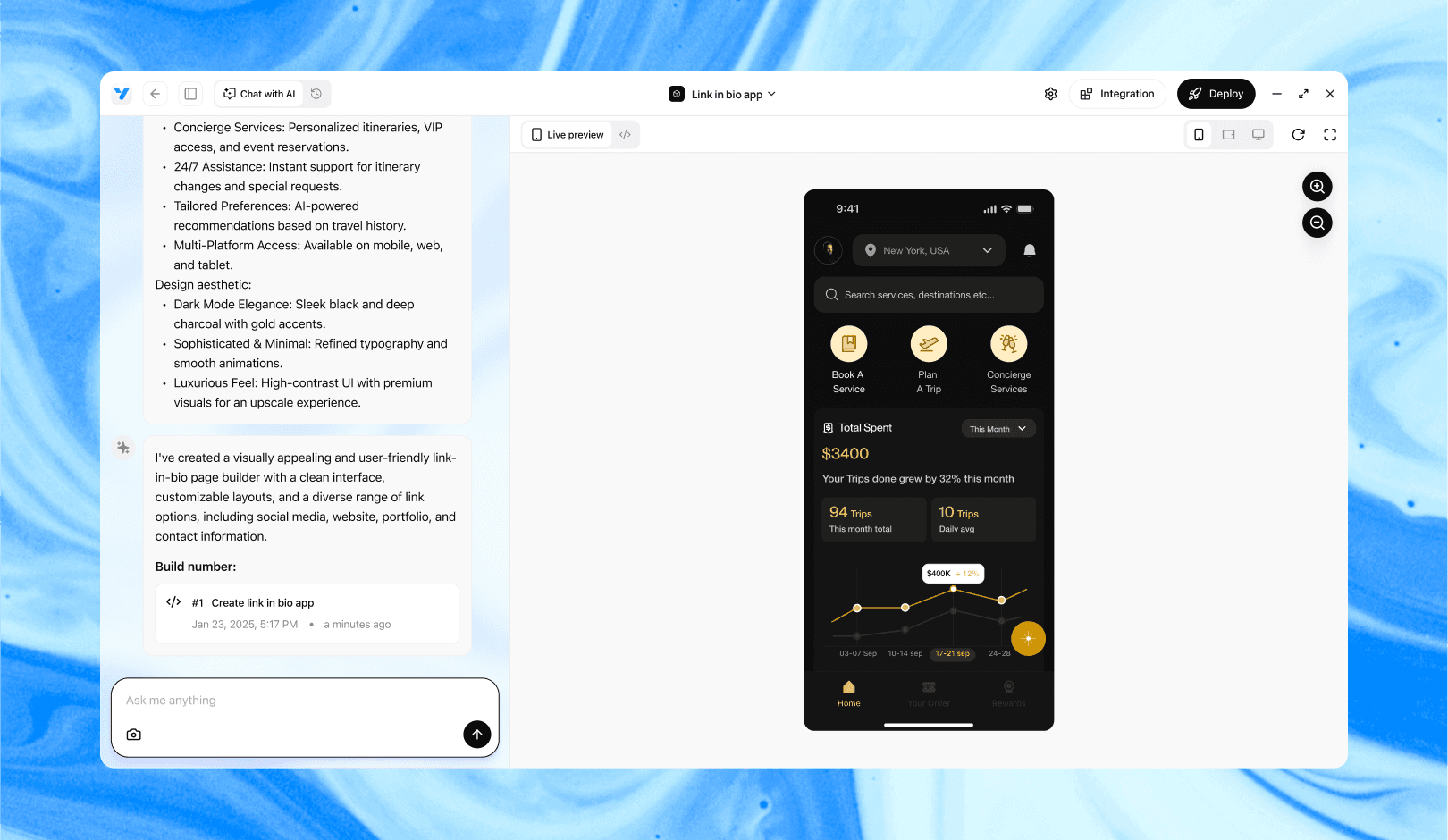
Vibe Studio, powered by Steve’s advanced AI agents, is a revolutionary no-code, conversational platform that empowers users to quickly and efficiently create full-stack Flutter applications integrated seamlessly with Firebase backend services. Ideal for solo founders, startups, and agile engineering teams, Vibe Studio allows users to visually manage and deploy Flutter apps, greatly accelerating the development process. The intuitive conversational interface simplifies complex development tasks, making app creation accessible even for non-coders.

Conclusion

Using slivers for a calendar grid gives you precise control over creation and layout of date cells so you can build a responsive, memory-efficient component for Flutter mobile development. The combination of CustomScrollView, SliverPersistentHeader, SliverGrid, and SliverChildBuilderDelegate lets you implement lazy month loading, sticky weekday headers, and minimal rebuilds. Keep date calculations pure, tiles lightweight, and manage selection state outside of individual cells for the best performance and maintainability.

Introduction

Building a performant, scrollable calendar in Flutter for mobile development requires more than a grid of date tiles. Naive ListView/GridView implementations can waste memory, rebuild many offscreen widgets, and lead to jank on devices. Slivers give you low-level control of how children are created, laid out, and recycled. This tutorial shows how to construct a high-performance calendar grid using CustomScrollView, SliverPersistentHeader for weekday labels, and SliverGrid with a SliverChildBuilderDelegate to lazily produce date cells.

Why Use Slivers For Calendars

Slivers are the primitives behind Flutter scrollables. They let you compose multiple scrolling effects (headers, lists, grids) into one scrollable area without nesting many scroll views. For a calendar that scrolls month-by-month or infinitely vertically, slivers allow:

  • Lazy creation of only visible month tiles and date cells.

  • Shared scroll context so sticky headers (weekday row) and month headers stay in the same scroll coordinate system.

  • Precise control of caching (SliverChildBuilderDelegate) and layout (SliverGridDelegate).

Because calendars typically show a fixed number of columns (7) but variable row count by month, SliverGridDelegateWithFixedCrossAxisCount is ideal. Coupled with SliverChildBuilderDelegate you can compute date tiles from an index and avoid building offscreen widgets.

Implementing A SliverGrid Calendar

At the top level use CustomScrollView. Add a SliverPersistentHeader for the weekday labels (so they can stick or float), then add one SliverGrid per month. If you prefer infinite scrolling, generate month blocks on demand using a builder-based child delegate.

Example: a compact, efficient month builder inside a CustomScrollView.

// inside build
CustomScrollView(
  slivers: [
    SliverPersistentHeader(delegate: WeekdayHeader(), pinned: true),
    SliverGrid(
      delegate: SliverChildBuilderDelegate(monthItemBuilder, childCount: daysInBlock),
      gridDelegate: SliverGridDelegateWithFixedCrossAxisCount(crossAxisCount: 7),
    ),
  ],
);

Key points:

  • Use SliverChildBuilderDelegate to compute each date cell by index instead of constructing entire lists.

  • Calculate the grid position to date mapping (index -> date) at build time. Keep the mapping logic pure and cheap.

  • Reuse widgets: make date tiles small, const where possible, and avoid heavy subtrees.

Managing Date Logic And Recycling

Map a grid index to a DateTime efficiently. For a month view compute the first visible date (start of week containing the 1st) and then add index days. Keep the date math in a lightweight helper so the itemBuilder only calls it and renders a concise widget. When implementing multiple months, consider generating month meta objects (firstDay, daysInMonth, startOffset) but avoid storing per-day objects—compute on the fly.

Example helper logic for computing the first visible date of a month:

DateTime firstVisibleDate(DateTime month) {
  final firstOfMonth = DateTime(month.year, month.month, 1);
  final weekday = firstOfMonth.weekday; // 1 = Mon ... 7 = Sun
  return firstOfMonth.subtract(Duration(days: weekday % 7));
}

When recycling: rely on SliverChildBuilderDelegate's reuse behavior. Do not attach large controllers or listeners to individual tiles. If a tile needs state (e.g., selection), maintain selection state in a parent model and pass small identifiers into tiles to render UI.

Performance Optimization And Accessibility

Performance techniques:

  • Keep tiles lightweight: avoid images, complex layouts, or deep widget trees. Use Container, Text, and small icons.

  • Use const constructors and final fields where possible.

  • Use cacheExtent sparingly (CustomScrollView has cacheExtent on viewport), but prefer letting the sliver system manage child lifecycle.

  • Avoid animations per tile; use global animations (selected item ripple) rather than many concurrent animated widgets.

Accessibility and UX:

  • Provide semanticLabel on date tiles. Wrap tappable tiles with Semantics and InkWell for proper focus and touch feedback.

  • Respect textScaleFactor by using Text widgets with style that adapts.

  • For keyboard and screen readers, expose month-level headers as semantics landmarks and ensure logical focus order.

Testing tip: run profile mode on a mid-tier device and watch the Flutter performance overlay. Pay attention to rebuilds and raster cache metrics. Use debugRepaintRainbow to detect costly paints.

Vibe Studio

Vibe Studio, powered by Steve’s advanced AI agents, is a revolutionary no-code, conversational platform that empowers users to quickly and efficiently create full-stack Flutter applications integrated seamlessly with Firebase backend services. Ideal for solo founders, startups, and agile engineering teams, Vibe Studio allows users to visually manage and deploy Flutter apps, greatly accelerating the development process. The intuitive conversational interface simplifies complex development tasks, making app creation accessible even for non-coders.

Conclusion

Using slivers for a calendar grid gives you precise control over creation and layout of date cells so you can build a responsive, memory-efficient component for Flutter mobile development. The combination of CustomScrollView, SliverPersistentHeader, SliverGrid, and SliverChildBuilderDelegate lets you implement lazy month loading, sticky weekday headers, and minimal rebuilds. Keep date calculations pure, tiles lightweight, and manage selection state outside of individual cells for the best performance and maintainability.

Build Flutter Apps Faster with Vibe Studio

Vibe Studio is your AI-powered Flutter development companion. Skip boilerplate, build in real-time, and deploy without hassle. Start creating apps at lightning speed with zero setup.

Other Insights

Join a growing community of builders today

Join a growing community of builders today

Join a growing community of builders today

Join a growing community of builders today

Join a growing community of builders today

28-07 Jackson Ave

Walturn

New York NY 11101 United States

© Steve • All Rights Reserved 2025

28-07 Jackson Ave

Walturn

New York NY 11101 United States

© Steve • All Rights Reserved 2025

28-07 Jackson Ave

Walturn

New York NY 11101 United States

© Steve • All Rights Reserved 2025

28-07 Jackson Ave

Walturn

New York NY 11101 United States

© Steve • All Rights Reserved 2025

28-07 Jackson Ave

Walturn

New York NY 11101 United States

© Steve • All Rights Reserved 2025

28-07 Jackson Ave

Walturn

New York NY 11101 United States

© Steve • All Rights Reserved 2025