Building a Flutter Productivity App With Real-Time Sync

Summary
Summary
Summary
Summary

This tutorial outlines a pragmatic Flutter architecture for building a real-time productivity app: local-first storage as the UI's source of truth, a repository layer for optimistic updates and a change-log, authentication and secure sync, conflict resolution strategies, and examples for Firestore and WebSocket-based real-time subscriptions.

This tutorial outlines a pragmatic Flutter architecture for building a real-time productivity app: local-first storage as the UI's source of truth, a repository layer for optimistic updates and a change-log, authentication and secure sync, conflict resolution strategies, and examples for Firestore and WebSocket-based real-time subscriptions.

This tutorial outlines a pragmatic Flutter architecture for building a real-time productivity app: local-first storage as the UI's source of truth, a repository layer for optimistic updates and a change-log, authentication and secure sync, conflict resolution strategies, and examples for Firestore and WebSocket-based real-time subscriptions.

This tutorial outlines a pragmatic Flutter architecture for building a real-time productivity app: local-first storage as the UI's source of truth, a repository layer for optimistic updates and a change-log, authentication and secure sync, conflict resolution strategies, and examples for Firestore and WebSocket-based real-time subscriptions.

Key insights:
Key insights:
Key insights:
Key insights:
  • Architecture And Data Flow: Keep a single source of truth in a local DB and expose streams for UI; repository mediates all writes and syncs.

  • Auth And Security: Authenticate at startup, use secure tokens, and enforce server-side rules to protect data during real-time sync.

  • Offline First And Conflict Resolution: Apply optimistic updates locally, maintain a change-log, and choose an appropriate conflict strategy (LWW, field merge, or CRDT).

  • Real-Time Sync Implementation: Use Firestore/Supabase snapshots or WebSockets; ensure idempotent handlers, queuing while offline, and robust reconnect logic.

  • Performance Optimization: Batch writes, debounce frequent edits, and limit retry budgets to avoid rate limits and improve UX.

Introduction

Building a productivity app that stays in sync across devices requires deliberate choices in architecture, state management, and networking. This tutorial focuses on pragmatic patterns for Flutter mobile development that deliver real-time synchronization, offline resilience, and predictable UX. You will learn a compact architecture, how to wire a real-time backend listener, and how to handle conflicts and optimistic updates with small, testable Dart snippets.

Architecture And Data Flow

Keep the app layered: UI -> State Management -> Repository -> Network/Local Store. Use a single source of truth (local database like sqflite or Hive) and mirror remote changes into that store. This enables fast reads for UI while allowing the repository to reconcile remote updates into local storage.

Choose a simple state management approach that maps well to streams: Provider with ChangeNotifier, Riverpod, or Bloc. The key is exposing a stream or notifier that reacts to local DB changes. For example, the repository exposes Stream> tasksStream, which the UI subscribes to. All writes go through repository.writeTask(...) which applies an optimistic change to local DB, dispatches to remote, and marks remote state for reconciliation.

Auth And Security

Authentication should be handled at launch and preserved (secure storage). Real-time backends like Firebase, Supabase, or a custom WebSocket service require a secure token. Use short-lived tokens with refresh logic and reject local writes that fail authorization. At the repository layer, ensure every outgoing sync includes the current user id and an idempotency key where supported.

Server-side security rules (Firestore/Realtime DB) or row-level policies (Supabase/Postgres) must enforce ownership and minimize data leakage. On the client, verify and sanitize incoming payloads before applying them to local storage.

Offline First And Conflict Resolution

Design for offline-first: local DB is authoritative for UI and immediate feedback. Remote sync is a secondary process that attempts to push local changes and applies remote updates. Implement a small change-log table that records pending operations with timestamps and unique operation ids.

Conflict strategies:

  • Last-write-wins (timestamp-based) — simplest but can cause lost user edits.

  • Merge by field — apply field-level merges when edits target different fields.

  • Operational transforms or CRDTs — best for collaborative complex data but more complex.

Use optimistic updates: apply local changes immediately and mark them as pending. When the remote confirms, mark them committed. If remote rejects, surface an actionable error and optionally revert or merge.

Real-Time Sync Implementation

Two common approaches: managed real-time backends (Firestore or Supabase) and WebSocket-based custom services. Firestore provides snapshots, conflict handling, and offline cache. For custom servers, use WebSockets with a small protocol: subscribe to user channels, receive delta messages, and acknowledge receipts.

Example: a repository subscribing to a Firestore collection and writing into a local database. Keep handlers idempotent and map documents to local models via stable ids.

// Listen to remote task collection and forward to local store
final sub = FirebaseFirestore.instance
  .collection('tasks')
  .where('ownerId', isEqualTo: userId)
  .snapshots()
  .listen((snapshot) {
    for (var doc in snapshot.docChanges) {
      localDb.upsertTask(Task.fromMap(doc.doc.data()!));
    }
  });

For a WebSocket client, keep a small state machine: connect -> authenticate -> subscribe -> process deltas -> ack. Always queue outgoing operations while disconnected and drain the queue on reconnect. Use exponential backoff and jitter for reconnect attempts.

Here is a compact Task model serializer you can reuse:

class Task {
  final String id;
  final String title;
  final int updatedAt; // epoch millis
  Task(this.id, this.title, this.updatedAt);
  Map<String, dynamic> toMap() => {'id': id, 'title': title, 'updatedAt': updatedAt};
  factory Task.fromMap(Map<String, dynamic> m) => Task(m['id'], m['title'], m['updatedAt']);
}

Operational tips: batch remote writes to avoid rate limits; debounce frequent local edits; include a small retry budget per operation to prevent infinite loops.

Vibe Studio
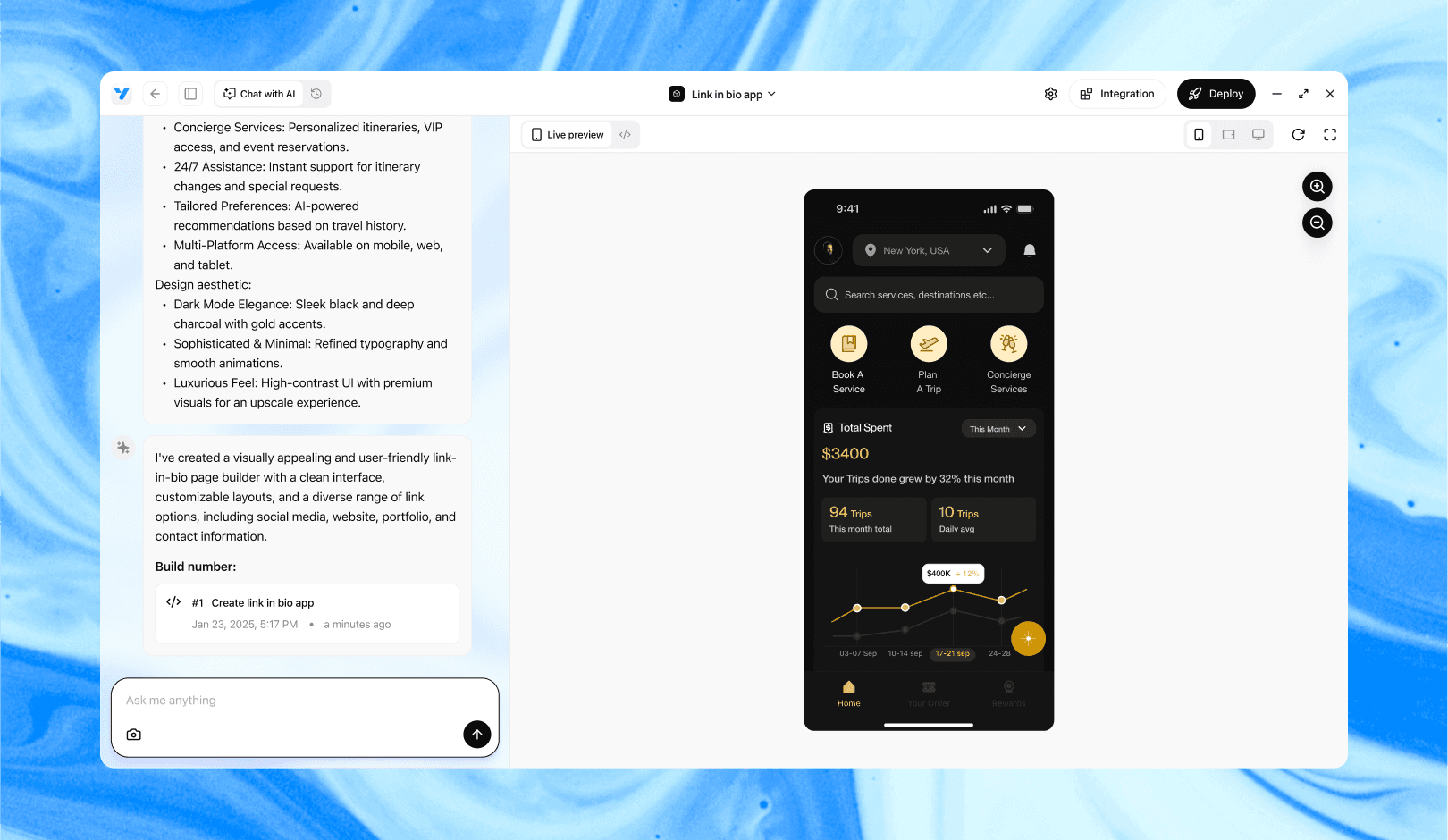
Vibe Studio, powered by Steve’s advanced AI agents, is a revolutionary no-code, conversational platform that empowers users to quickly and efficiently create full-stack Flutter applications integrated seamlessly with Firebase backend services. Ideal for solo founders, startups, and agile engineering teams, Vibe Studio allows users to visually manage and deploy Flutter apps, greatly accelerating the development process. The intuitive conversational interface simplifies complex development tasks, making app creation accessible even for non-coders.

Conclusion

Real-time sync in Flutter mobile development is achievable with a clear separation of concerns: local-first storage, a repository that manages optimistic updates and a change-log, and a robust sync layer that subscribes to remote deltas. Use managed real-time services when you want faster implementation; build WebSocket layers when you need custom protocols or lower costs. Test conflict scenarios and offline flows early. The practical architecture above scales beyond simple todo apps into collaborative productivity tools by replacing the conflict strategy with CRDTs when necessary.


Introduction

Building a productivity app that stays in sync across devices requires deliberate choices in architecture, state management, and networking. This tutorial focuses on pragmatic patterns for Flutter mobile development that deliver real-time synchronization, offline resilience, and predictable UX. You will learn a compact architecture, how to wire a real-time backend listener, and how to handle conflicts and optimistic updates with small, testable Dart snippets.

Architecture And Data Flow

Keep the app layered: UI -> State Management -> Repository -> Network/Local Store. Use a single source of truth (local database like sqflite or Hive) and mirror remote changes into that store. This enables fast reads for UI while allowing the repository to reconcile remote updates into local storage.

Choose a simple state management approach that maps well to streams: Provider with ChangeNotifier, Riverpod, or Bloc. The key is exposing a stream or notifier that reacts to local DB changes. For example, the repository exposes Stream> tasksStream, which the UI subscribes to. All writes go through repository.writeTask(...) which applies an optimistic change to local DB, dispatches to remote, and marks remote state for reconciliation.

Auth And Security

Authentication should be handled at launch and preserved (secure storage). Real-time backends like Firebase, Supabase, or a custom WebSocket service require a secure token. Use short-lived tokens with refresh logic and reject local writes that fail authorization. At the repository layer, ensure every outgoing sync includes the current user id and an idempotency key where supported.

Server-side security rules (Firestore/Realtime DB) or row-level policies (Supabase/Postgres) must enforce ownership and minimize data leakage. On the client, verify and sanitize incoming payloads before applying them to local storage.

Offline First And Conflict Resolution

Design for offline-first: local DB is authoritative for UI and immediate feedback. Remote sync is a secondary process that attempts to push local changes and applies remote updates. Implement a small change-log table that records pending operations with timestamps and unique operation ids.

Conflict strategies:

  • Last-write-wins (timestamp-based) — simplest but can cause lost user edits.

  • Merge by field — apply field-level merges when edits target different fields.

  • Operational transforms or CRDTs — best for collaborative complex data but more complex.

Use optimistic updates: apply local changes immediately and mark them as pending. When the remote confirms, mark them committed. If remote rejects, surface an actionable error and optionally revert or merge.

Real-Time Sync Implementation

Two common approaches: managed real-time backends (Firestore or Supabase) and WebSocket-based custom services. Firestore provides snapshots, conflict handling, and offline cache. For custom servers, use WebSockets with a small protocol: subscribe to user channels, receive delta messages, and acknowledge receipts.

Example: a repository subscribing to a Firestore collection and writing into a local database. Keep handlers idempotent and map documents to local models via stable ids.

// Listen to remote task collection and forward to local store
final sub = FirebaseFirestore.instance
  .collection('tasks')
  .where('ownerId', isEqualTo: userId)
  .snapshots()
  .listen((snapshot) {
    for (var doc in snapshot.docChanges) {
      localDb.upsertTask(Task.fromMap(doc.doc.data()!));
    }
  });

For a WebSocket client, keep a small state machine: connect -> authenticate -> subscribe -> process deltas -> ack. Always queue outgoing operations while disconnected and drain the queue on reconnect. Use exponential backoff and jitter for reconnect attempts.

Here is a compact Task model serializer you can reuse:

class Task {
  final String id;
  final String title;
  final int updatedAt; // epoch millis
  Task(this.id, this.title, this.updatedAt);
  Map<String, dynamic> toMap() => {'id': id, 'title': title, 'updatedAt': updatedAt};
  factory Task.fromMap(Map<String, dynamic> m) => Task(m['id'], m['title'], m['updatedAt']);
}

Operational tips: batch remote writes to avoid rate limits; debounce frequent local edits; include a small retry budget per operation to prevent infinite loops.

Vibe Studio

Vibe Studio, powered by Steve’s advanced AI agents, is a revolutionary no-code, conversational platform that empowers users to quickly and efficiently create full-stack Flutter applications integrated seamlessly with Firebase backend services. Ideal for solo founders, startups, and agile engineering teams, Vibe Studio allows users to visually manage and deploy Flutter apps, greatly accelerating the development process. The intuitive conversational interface simplifies complex development tasks, making app creation accessible even for non-coders.

Conclusion

Real-time sync in Flutter mobile development is achievable with a clear separation of concerns: local-first storage, a repository that manages optimistic updates and a change-log, and a robust sync layer that subscribes to remote deltas. Use managed real-time services when you want faster implementation; build WebSocket layers when you need custom protocols or lower costs. Test conflict scenarios and offline flows early. The practical architecture above scales beyond simple todo apps into collaborative productivity tools by replacing the conflict strategy with CRDTs when necessary.

Build Flutter Apps Faster with Vibe Studio

Build Flutter Apps Faster with Vibe Studio

Build Flutter Apps Faster with Vibe Studio

Build Flutter Apps Faster with Vibe Studio

Vibe Studio is your AI-powered Flutter development companion. Skip boilerplate, build in real-time, and deploy without hassle. Start creating apps at lightning speed with zero setup.

Vibe Studio is your AI-powered Flutter development companion. Skip boilerplate, build in real-time, and deploy without hassle. Start creating apps at lightning speed with zero setup.

Vibe Studio is your AI-powered Flutter development companion. Skip boilerplate, build in real-time, and deploy without hassle. Start creating apps at lightning speed with zero setup.

Vibe Studio is your AI-powered Flutter development companion. Skip boilerplate, build in real-time, and deploy without hassle. Start creating apps at lightning speed with zero setup.

Other Insights

Other Insights

Other Insights

Other Insights

Join a growing community of builders today

Join a growing community of builders today

Join a growing community of builders today

Join a growing community of builders today

Join a growing community of builders today

28-07 Jackson Ave

Walturn

New York NY 11101 United States

© Steve • All Rights Reserved 2025

28-07 Jackson Ave

Walturn

New York NY 11101 United States

© Steve • All Rights Reserved 2025

28-07 Jackson Ave

Walturn

New York NY 11101 United States

© Steve • All Rights Reserved 2025

28-07 Jackson Ave

Walturn

New York NY 11101 United States

© Steve • All Rights Reserved 2025

28-07 Jackson Ave

Walturn

New York NY 11101 United States

© Steve • All Rights Reserved 2025

28-07 Jackson Ave

Walturn

New York NY 11101 United States

© Steve • All Rights Reserved 2025