Building a Flutter Plugin for Native iOS and Android Features

Summary
Summary
Summary
Summary

This tutorial shows how to build a Flutter plugin that bridges Dart to native iOS and Android features. It covers setting up the plugin template, designing a clear Dart API, implementing MethodChannel on both platforms, threading and permissions best practices, testing, and publishing guidance to ensure cross-platform parity and maintainability.

This tutorial shows how to build a Flutter plugin that bridges Dart to native iOS and Android features. It covers setting up the plugin template, designing a clear Dart API, implementing MethodChannel on both platforms, threading and permissions best practices, testing, and publishing guidance to ensure cross-platform parity and maintainability.

This tutorial shows how to build a Flutter plugin that bridges Dart to native iOS and Android features. It covers setting up the plugin template, designing a clear Dart API, implementing MethodChannel on both platforms, threading and permissions best practices, testing, and publishing guidance to ensure cross-platform parity and maintainability.

This tutorial shows how to build a Flutter plugin that bridges Dart to native iOS and Android features. It covers setting up the plugin template, designing a clear Dart API, implementing MethodChannel on both platforms, threading and permissions best practices, testing, and publishing guidance to ensure cross-platform parity and maintainability.

Key insights:
Key insights:
Key insights:
Key insights:
  • Setting Up a Plugin Project: Start from flutter create --template=plugin and design a minimal, typed Dart API before writing platform code.

  • Implementing Platform Channels: Use MethodChannel for RPC, EventChannel for streams, and standardize method names and error codes.

  • Android Implementation: Use ActivityAware for lifecycle needs, perform heavy work off the main thread, and return results on the main thread.

  • iOS Implementation: Implement FlutterPlugin, run background tasks on DispatchQueue.global(), and ensure required Info.plist keys are present.

Introduction

Building a Flutter plugin lets you bridge Dart code to platform-specific APIs on iOS and Android. Plugins are essential when you need features that Flutter’s framework doesn’t expose directly — for example, advanced camera controls, background location, or platform-specific privacy settings. This tutorial walks through creating a lightweight, maintainable plugin using MethodChannel, with attention to API design, threading, and cross-platform parity.

Setting Up a Plugin Project

Start with the official template: flutter create --template=plugin my_native_plugin. The template creates a package with dart, android, and ios directories and wiring for MethodChannel by default. Key files to review:

  • pubspec.yaml: declare the plugin name, platforms, and example app.

  • lib/my_native_plugin.dart: the public Dart API stub.

  • android/src/main/.../MyNativePlugin.java or Kotlin file.

  • ios/Classes/SwiftMyNativePlugin.swift.

Design your Dart API first: expose small, focused functions that return Futures or Streams. Favor typed maps or well-documented simple types (int, double, bool, String, List, Map) for channel messages to avoid serialization surprises.

Implementing Platform Channels

MethodChannel is the standard for request/response interaction. Use a single channel name unique to your package, e.g. com.example.my_native_plugin/methods. Define method names as constants to prevent typos. Document method signatures and expected parameter shapes in the Dart API.

In Dart, create a thin shim that marshals arguments and returns typed results. Example:

class MyNativePlugin {
  static const MethodChannel _channel =
      MethodChannel('com.example.my_native_plugin/methods');

  static Future<String?> getPlatformVersion() async {
    final String? version = await _channel.invokeMethod('getPlatformVersion');
    return version;
  }
}

Consider using EventChannel for continuous streams (sensors, location) and BasicMessageChannel for custom codec scenarios. Prefer standard method names and clear error handling: platform code should return PlatformException with code, message, and details for Dart to catch.

Android Implementation

The Android side typically provides a MethodCallHandler in Kotlin or Java. Implementations must run long work on background threads and return results on the main thread using Result.success/error. Example Kotlin patterns:

  • Register the plugin in onAttachedToEngine and cache a reference to context.

  • For permission-required features, provide APIs to request permissions from the Activity. Use ActivityAware to receive an Activity reference.

  • Use Handler or coroutines for background work and post result.success/result.error back on the main thread.

Be explicit about Android permissions in AndroidManifest.xml and declare them in README for the developer using your plugin. If your plugin needs to hook into Activity lifecycle events (e.g., camera), implement ActivityAware and handle onAttachedToActivity/onDetachedFromActivity.

iOS Implementation

On iOS implement the FlutterPlugin protocol in Swift or Objective-C. Register the channel in register(with:) and implement handle(_ call: FlutterMethodCall, result: @escaping FlutterResult).

  • Run heavyweight tasks on background queues using DispatchQueue.global().async and call result on the main queue.

  • For APIs requiring user consent (microphone, camera, location), ensure you add appropriate keys to Info.plist and document them prominently.

  • If your plugin needs to present view controllers or observe app lifecycle, use FlutterPluginBinding and UIApplication notifications.

Match Android behavior: the Dart API should behave the same whether the platform is Android or iOS. Normalize errors into PlatformException with consistent codes.

Best Practices and Testing

  • API Design: Keep the public veneer small. Return typed models or Maps and provide decoder helpers. Keep method names stable; breaking changes require major version bumps.

  • Threading: Never block the platform thread. Perform IO and heavy work off the main thread and marshal results back.

  • Permissions: Document required permissions and provide helper methods to check/request them where feasible.

  • Unit and Integration Tests: Unit-test Dart code with platform channel mocks; test platform code with Android instrumentation tests and iOS XCTest cases where possible. The example/ app in the plugin package is ideal for manual integration testing.

  • Versioning and Publishing: Follow semver. Include CHANGELOG.md, example usage, and migration notes. Publish to pub.dev after ensuring example builds on both platforms and CI verifies platform code.

Vibe Studio
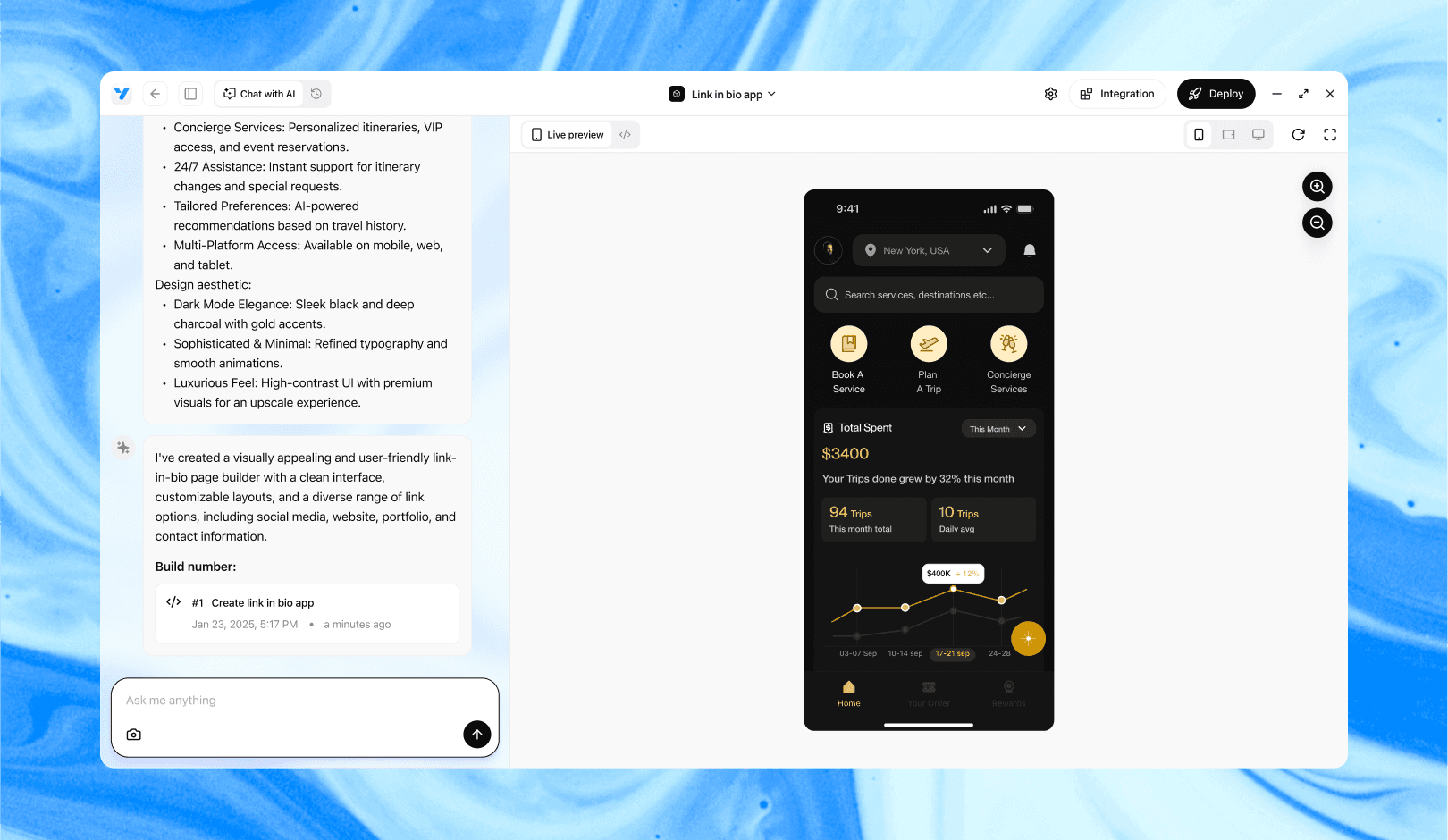
Vibe Studio, powered by Steve’s advanced AI agents, is a revolutionary no-code, conversational platform that empowers users to quickly and efficiently create full-stack Flutter applications integrated seamlessly with Firebase backend services. Ideal for solo founders, startups, and agile engineering teams, Vibe Studio allows users to visually manage and deploy Flutter apps, greatly accelerating the development process. The intuitive conversational interface simplifies complex development tasks, making app creation accessible even for non-coders.

Conclusion

Creating a robust Flutter plugin requires careful API design, reliable platform channel implementations, and attention to platform threading and permissions. Use the plugin template, keep your Dart API small and well-documented, and mirror behavior across Android and iOS. With clear errors, background-safe implementations, and good tests, your plugin will be easier for other developers to adopt and maintain.


Introduction

Building a Flutter plugin lets you bridge Dart code to platform-specific APIs on iOS and Android. Plugins are essential when you need features that Flutter’s framework doesn’t expose directly — for example, advanced camera controls, background location, or platform-specific privacy settings. This tutorial walks through creating a lightweight, maintainable plugin using MethodChannel, with attention to API design, threading, and cross-platform parity.

Setting Up a Plugin Project

Start with the official template: flutter create --template=plugin my_native_plugin. The template creates a package with dart, android, and ios directories and wiring for MethodChannel by default. Key files to review:

  • pubspec.yaml: declare the plugin name, platforms, and example app.

  • lib/my_native_plugin.dart: the public Dart API stub.

  • android/src/main/.../MyNativePlugin.java or Kotlin file.

  • ios/Classes/SwiftMyNativePlugin.swift.

Design your Dart API first: expose small, focused functions that return Futures or Streams. Favor typed maps or well-documented simple types (int, double, bool, String, List, Map) for channel messages to avoid serialization surprises.

Implementing Platform Channels

MethodChannel is the standard for request/response interaction. Use a single channel name unique to your package, e.g. com.example.my_native_plugin/methods. Define method names as constants to prevent typos. Document method signatures and expected parameter shapes in the Dart API.

In Dart, create a thin shim that marshals arguments and returns typed results. Example:

class MyNativePlugin {
  static const MethodChannel _channel =
      MethodChannel('com.example.my_native_plugin/methods');

  static Future<String?> getPlatformVersion() async {
    final String? version = await _channel.invokeMethod('getPlatformVersion');
    return version;
  }
}

Consider using EventChannel for continuous streams (sensors, location) and BasicMessageChannel for custom codec scenarios. Prefer standard method names and clear error handling: platform code should return PlatformException with code, message, and details for Dart to catch.

Android Implementation

The Android side typically provides a MethodCallHandler in Kotlin or Java. Implementations must run long work on background threads and return results on the main thread using Result.success/error. Example Kotlin patterns:

  • Register the plugin in onAttachedToEngine and cache a reference to context.

  • For permission-required features, provide APIs to request permissions from the Activity. Use ActivityAware to receive an Activity reference.

  • Use Handler or coroutines for background work and post result.success/result.error back on the main thread.

Be explicit about Android permissions in AndroidManifest.xml and declare them in README for the developer using your plugin. If your plugin needs to hook into Activity lifecycle events (e.g., camera), implement ActivityAware and handle onAttachedToActivity/onDetachedFromActivity.

iOS Implementation

On iOS implement the FlutterPlugin protocol in Swift or Objective-C. Register the channel in register(with:) and implement handle(_ call: FlutterMethodCall, result: @escaping FlutterResult).

  • Run heavyweight tasks on background queues using DispatchQueue.global().async and call result on the main queue.

  • For APIs requiring user consent (microphone, camera, location), ensure you add appropriate keys to Info.plist and document them prominently.

  • If your plugin needs to present view controllers or observe app lifecycle, use FlutterPluginBinding and UIApplication notifications.

Match Android behavior: the Dart API should behave the same whether the platform is Android or iOS. Normalize errors into PlatformException with consistent codes.

Best Practices and Testing

  • API Design: Keep the public veneer small. Return typed models or Maps and provide decoder helpers. Keep method names stable; breaking changes require major version bumps.

  • Threading: Never block the platform thread. Perform IO and heavy work off the main thread and marshal results back.

  • Permissions: Document required permissions and provide helper methods to check/request them where feasible.

  • Unit and Integration Tests: Unit-test Dart code with platform channel mocks; test platform code with Android instrumentation tests and iOS XCTest cases where possible. The example/ app in the plugin package is ideal for manual integration testing.

  • Versioning and Publishing: Follow semver. Include CHANGELOG.md, example usage, and migration notes. Publish to pub.dev after ensuring example builds on both platforms and CI verifies platform code.

Vibe Studio

Vibe Studio, powered by Steve’s advanced AI agents, is a revolutionary no-code, conversational platform that empowers users to quickly and efficiently create full-stack Flutter applications integrated seamlessly with Firebase backend services. Ideal for solo founders, startups, and agile engineering teams, Vibe Studio allows users to visually manage and deploy Flutter apps, greatly accelerating the development process. The intuitive conversational interface simplifies complex development tasks, making app creation accessible even for non-coders.

Conclusion

Creating a robust Flutter plugin requires careful API design, reliable platform channel implementations, and attention to platform threading and permissions. Use the plugin template, keep your Dart API small and well-documented, and mirror behavior across Android and iOS. With clear errors, background-safe implementations, and good tests, your plugin will be easier for other developers to adopt and maintain.

Build Flutter Apps Faster with Vibe Studio

Build Flutter Apps Faster with Vibe Studio

Build Flutter Apps Faster with Vibe Studio

Build Flutter Apps Faster with Vibe Studio

Vibe Studio is your AI-powered Flutter development companion. Skip boilerplate, build in real-time, and deploy without hassle. Start creating apps at lightning speed with zero setup.

Vibe Studio is your AI-powered Flutter development companion. Skip boilerplate, build in real-time, and deploy without hassle. Start creating apps at lightning speed with zero setup.

Vibe Studio is your AI-powered Flutter development companion. Skip boilerplate, build in real-time, and deploy without hassle. Start creating apps at lightning speed with zero setup.

Vibe Studio is your AI-powered Flutter development companion. Skip boilerplate, build in real-time, and deploy without hassle. Start creating apps at lightning speed with zero setup.

Other Insights

Other Insights

Other Insights

Other Insights

Join a growing community of builders today

Join a growing community of builders today

Join a growing community of builders today

Join a growing community of builders today

Join a growing community of builders today

28-07 Jackson Ave

Walturn

New York NY 11101 United States

© Steve • All Rights Reserved 2025

28-07 Jackson Ave

Walturn

New York NY 11101 United States

© Steve • All Rights Reserved 2025

28-07 Jackson Ave

Walturn

New York NY 11101 United States

© Steve • All Rights Reserved 2025

28-07 Jackson Ave

Walturn

New York NY 11101 United States

© Steve • All Rights Reserved 2025

28-07 Jackson Ave

Walturn

New York NY 11101 United States

© Steve • All Rights Reserved 2025

28-07 Jackson Ave

Walturn

New York NY 11101 United States

© Steve • All Rights Reserved 2025