Building a Flutter News App Using Web APIs
Summary
Summary
Summary
Summary

A focused tutorial on building a Flutter news app: project structure, HTTP fetching and JSON parsing, UI with FutureBuilder and ListView, image caching, error handling, and simple persistent caching. Emphasizes clear separation of concerns and practical tips for mobile development.

A focused tutorial on building a Flutter news app: project structure, HTTP fetching and JSON parsing, UI with FutureBuilder and ListView, image caching, error handling, and simple persistent caching. Emphasizes clear separation of concerns and practical tips for mobile development.

A focused tutorial on building a Flutter news app: project structure, HTTP fetching and JSON parsing, UI with FutureBuilder and ListView, image caching, error handling, and simple persistent caching. Emphasizes clear separation of concerns and practical tips for mobile development.

A focused tutorial on building a Flutter news app: project structure, HTTP fetching and JSON parsing, UI with FutureBuilder and ListView, image caching, error handling, and simple persistent caching. Emphasizes clear separation of concerns and practical tips for mobile development.

Key insights:
Key insights:
Key insights:
Key insights:
  • Setting Up The Project: Organize models, services, widgets, and screens to keep networking and UI decoupled for easier maintenance.

  • Fetching And Parsing News Data: Use the http package, validate status codes, and convert JSON to typed Article models immediately to simplify UI logic.

  • Building The UI And State Management: Start with FutureBuilder or a lightweight ChangeNotifier; use ListView.builder and cached images for efficient mobile performance.

  • Error Handling And Caching: Surface readable errors, implement retry and TTL caching, and persist JSON locally to show content offline or while refreshing.

  • Security And Best Practices: Avoid hardcoding API keys, respect rate limits, and offload sensitive tokens to secure storage or server-side exchange.

Introduction

Building a news app is an excellent way to learn practical Flutter patterns for mobile development: networking, JSON parsing, state management, and responsive UI. This tutorial walks through a minimal, production-minded approach using a public web API, the http package, and a simple state strategy. You will learn how to fetch articles, parse responses into Dart models, render a scrollable list, and handle errors and cached state.

Setting Up The Project

Create a new Flutter app and add dependencies in pubspec.yaml: http for requests and optionally cached_network_image for thumbnails. Keep folders organized: lib/models, lib/services, lib/widgets, lib/screens. Define a lightweight Article model with fields you need (title, description, url, imageUrl, publishedAt). Use immutable classes and factory constructors that parse JSON directly.

Fetching And Parsing News Data

Use the http package to call a REST endpoint (for example, NewsAPI.org or any JSON news source). Keep network code separate in a service class. Always check HTTP status codes and throw descriptive exceptions for non-200 responses. Convert JSON to typed Dart objects immediately to keep UI code clean.

Example service method to fetch headlines:

import 'dart:convert';
import 'package:http/http.dart' as http;

Future<List<Article>> fetchHeadlines(String apiKey) async {
  final res = await http.get(Uri.parse('https://newsapi.org/v2/top-headlines?country=us&apiKey=$apiKey'));
  if (res.statusCode != 200) throw Exception('Failed to load');
  final json = jsonDecode(res.body) as Map<String, dynamic>;
  return (json['articles'] as List).map((a) => Article.fromJson(a)).toList();
}

Keep parsing defensive: handle missing keys and null values. Map dates with DateTime.parse and fallback to DateTime.now() when parsing fails.

Building The UI And State Management

For a simple app, prefer a stateless service + FutureBuilder or a ChangeNotifier provider for small-scale state. Use a ListView.builder for performance. Lazy-load images with cached_network_image to reduce bandwidth. Compose small reusable widgets: ArticleTile, ArticleImage, and HeadlineList.

Example UI using FutureBuilder:

FutureBuilder<List<Article>>(
  future: fetchHeadlines(apiKey),
  builder: (ctx, snap) {
    if (snap.connectionState != ConnectionState.done) return Center(child: CircularProgressIndicator());
    if (snap.hasError) return Center(child: Text('Error: ${snap.error}'));
    final articles = snap.data ?? [];
    return ListView.builder(itemCount: articles.length, itemBuilder: (_, i) => ArticleTile(article: articles[i]));
  },
)

Design affordances: tappable tiles should open an in-app WebView or external browser. Use semantic widgets and accessible text scaling with Theme.of(context).textTheme.

Error Handling And Caching

Network requests fail; plan for it. Surface readable errors and a retry action. For transient errors, provide pull-to-refresh. A minimal cache strategy: store the most recent JSON in local storage (shared_preferences or hive) and display it while refreshing in background. When caching, serialize the same Article model to JSON for consistency.

Implement exponential backoff for repeated failures and avoid spamming the API. Respect API rate limits by caching results for a short TTL (e.g., 5–15 minutes). For images, rely on cached_network_image which implements disk caching automatically.

Security note: do not hardcode API keys in source. Use platform-specific secure storage or server-side token exchange for production apps.

Vibe Studio
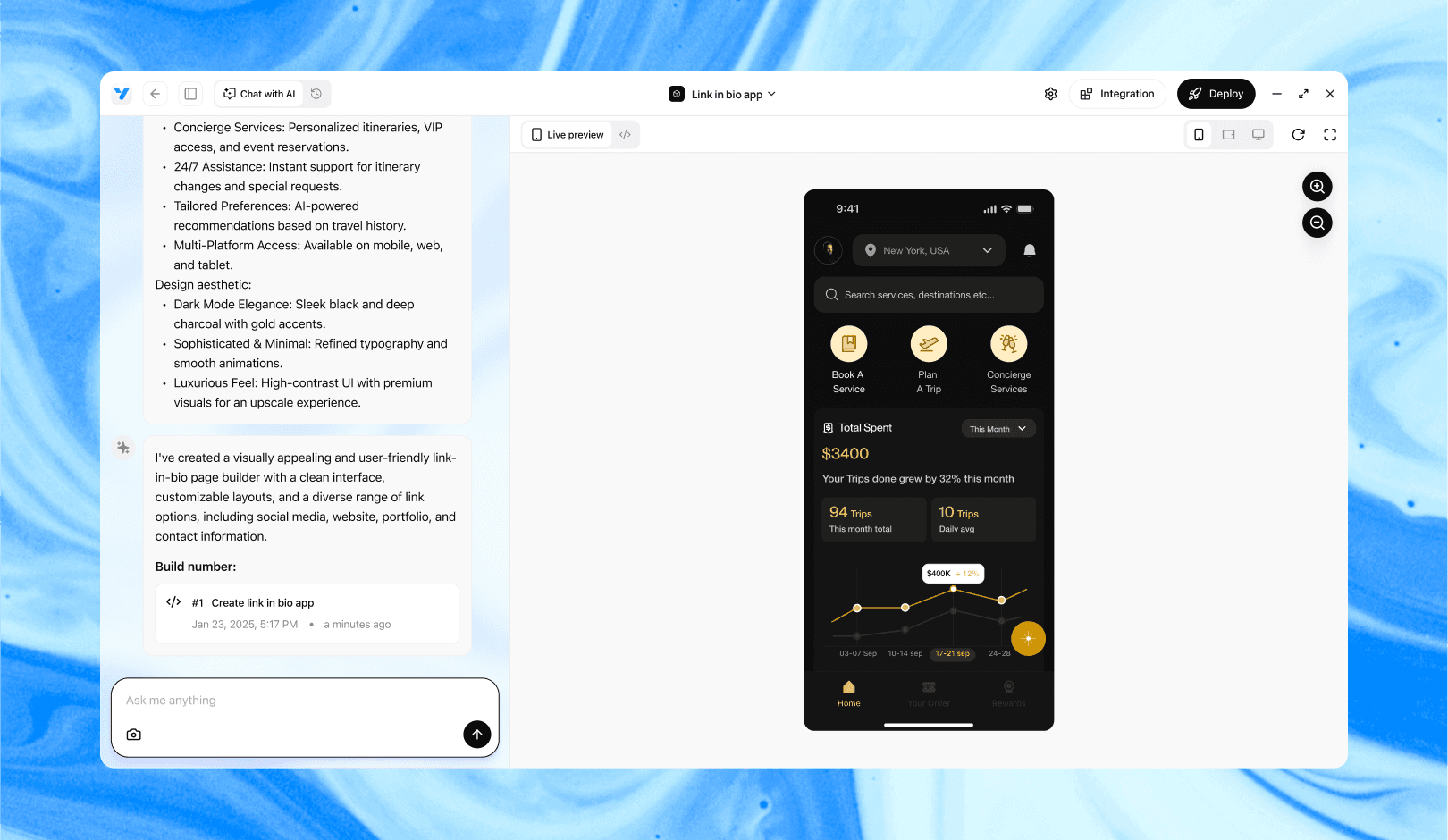
Vibe Studio, powered by Steve’s advanced AI agents, is a revolutionary no-code, conversational platform that empowers users to quickly and efficiently create full-stack Flutter applications integrated seamlessly with Firebase backend services. Ideal for solo founders, startups, and agile engineering teams, Vibe Studio allows users to visually manage and deploy Flutter apps, greatly accelerating the development process. The intuitive conversational interface simplifies complex development tasks, making app creation accessible even for non-coders.

Conclusion

This tutorial outlined a focused path to build a Flutter news app using web APIs: set up a clean project structure, fetch and parse JSON into models, build a responsive UI with efficient lists and image caching, and handle errors and offline scenarios with lightweight caching. These practices translate directly to many mobile development tasks: clear separation of concerns, defensive parsing, and predictable state handling keep your app maintainable and performant. Start small, iterate on UX, and introduce more advanced state management or pagination as your app scales.


Introduction

Building a news app is an excellent way to learn practical Flutter patterns for mobile development: networking, JSON parsing, state management, and responsive UI. This tutorial walks through a minimal, production-minded approach using a public web API, the http package, and a simple state strategy. You will learn how to fetch articles, parse responses into Dart models, render a scrollable list, and handle errors and cached state.

Setting Up The Project

Create a new Flutter app and add dependencies in pubspec.yaml: http for requests and optionally cached_network_image for thumbnails. Keep folders organized: lib/models, lib/services, lib/widgets, lib/screens. Define a lightweight Article model with fields you need (title, description, url, imageUrl, publishedAt). Use immutable classes and factory constructors that parse JSON directly.

Fetching And Parsing News Data

Use the http package to call a REST endpoint (for example, NewsAPI.org or any JSON news source). Keep network code separate in a service class. Always check HTTP status codes and throw descriptive exceptions for non-200 responses. Convert JSON to typed Dart objects immediately to keep UI code clean.

Example service method to fetch headlines:

import 'dart:convert';
import 'package:http/http.dart' as http;

Future<List<Article>> fetchHeadlines(String apiKey) async {
  final res = await http.get(Uri.parse('https://newsapi.org/v2/top-headlines?country=us&apiKey=$apiKey'));
  if (res.statusCode != 200) throw Exception('Failed to load');
  final json = jsonDecode(res.body) as Map<String, dynamic>;
  return (json['articles'] as List).map((a) => Article.fromJson(a)).toList();
}

Keep parsing defensive: handle missing keys and null values. Map dates with DateTime.parse and fallback to DateTime.now() when parsing fails.

Building The UI And State Management

For a simple app, prefer a stateless service + FutureBuilder or a ChangeNotifier provider for small-scale state. Use a ListView.builder for performance. Lazy-load images with cached_network_image to reduce bandwidth. Compose small reusable widgets: ArticleTile, ArticleImage, and HeadlineList.

Example UI using FutureBuilder:

FutureBuilder<List<Article>>(
  future: fetchHeadlines(apiKey),
  builder: (ctx, snap) {
    if (snap.connectionState != ConnectionState.done) return Center(child: CircularProgressIndicator());
    if (snap.hasError) return Center(child: Text('Error: ${snap.error}'));
    final articles = snap.data ?? [];
    return ListView.builder(itemCount: articles.length, itemBuilder: (_, i) => ArticleTile(article: articles[i]));
  },
)

Design affordances: tappable tiles should open an in-app WebView or external browser. Use semantic widgets and accessible text scaling with Theme.of(context).textTheme.

Error Handling And Caching

Network requests fail; plan for it. Surface readable errors and a retry action. For transient errors, provide pull-to-refresh. A minimal cache strategy: store the most recent JSON in local storage (shared_preferences or hive) and display it while refreshing in background. When caching, serialize the same Article model to JSON for consistency.

Implement exponential backoff for repeated failures and avoid spamming the API. Respect API rate limits by caching results for a short TTL (e.g., 5–15 minutes). For images, rely on cached_network_image which implements disk caching automatically.

Security note: do not hardcode API keys in source. Use platform-specific secure storage or server-side token exchange for production apps.

Vibe Studio

Vibe Studio, powered by Steve’s advanced AI agents, is a revolutionary no-code, conversational platform that empowers users to quickly and efficiently create full-stack Flutter applications integrated seamlessly with Firebase backend services. Ideal for solo founders, startups, and agile engineering teams, Vibe Studio allows users to visually manage and deploy Flutter apps, greatly accelerating the development process. The intuitive conversational interface simplifies complex development tasks, making app creation accessible even for non-coders.

Conclusion

This tutorial outlined a focused path to build a Flutter news app using web APIs: set up a clean project structure, fetch and parse JSON into models, build a responsive UI with efficient lists and image caching, and handle errors and offline scenarios with lightweight caching. These practices translate directly to many mobile development tasks: clear separation of concerns, defensive parsing, and predictable state handling keep your app maintainable and performant. Start small, iterate on UX, and introduce more advanced state management or pagination as your app scales.

Build Flutter Apps Faster with Vibe Studio

Vibe Studio is your AI-powered Flutter development companion. Skip boilerplate, build in real-time, and deploy without hassle. Start creating apps at lightning speed with zero setup.

Other Insights

Join a growing community of builders today

Join a growing community of builders today

Join a growing community of builders today

Join a growing community of builders today

Join a growing community of builders today

28-07 Jackson Ave

Walturn

New York NY 11101 United States

© Steve • All Rights Reserved 2025

28-07 Jackson Ave

Walturn

New York NY 11101 United States

© Steve • All Rights Reserved 2025

28-07 Jackson Ave

Walturn

New York NY 11101 United States

© Steve • All Rights Reserved 2025

28-07 Jackson Ave

Walturn

New York NY 11101 United States

© Steve • All Rights Reserved 2025

28-07 Jackson Ave

Walturn

New York NY 11101 United States

© Steve • All Rights Reserved 2025

28-07 Jackson Ave

Walturn

New York NY 11101 United States

© Steve • All Rights Reserved 2025