Building A Flutter Admin Panel With DataTables Sorting And Editing
Summary
Summary
Summary
Summary

This tutorial shows how to build a Flutter admin panel using DataTable with sortable columns and inline editing. It covers designing a lightweight data model, wiring DataTable onSort handlers, toggling DataCell editing with controllers, validating and persisting edits, and performance considerations like pagination and minimizing rebuilds—practical patterns for mobile development.

This tutorial shows how to build a Flutter admin panel using DataTable with sortable columns and inline editing. It covers designing a lightweight data model, wiring DataTable onSort handlers, toggling DataCell editing with controllers, validating and persisting edits, and performance considerations like pagination and minimizing rebuilds—practical patterns for mobile development.

This tutorial shows how to build a Flutter admin panel using DataTable with sortable columns and inline editing. It covers designing a lightweight data model, wiring DataTable onSort handlers, toggling DataCell editing with controllers, validating and persisting edits, and performance considerations like pagination and minimizing rebuilds—practical patterns for mobile development.

This tutorial shows how to build a Flutter admin panel using DataTable with sortable columns and inline editing. It covers designing a lightweight data model, wiring DataTable onSort handlers, toggling DataCell editing with controllers, validating and persisting edits, and performance considerations like pagination and minimizing rebuilds—practical patterns for mobile development.

Key insights:
Key insights:
Key insights:
Key insights:
  • Designing The Data Model: Keep models immutable with copyWith to simplify state updates and reduce rebuild complexity.

  • Building The DataTable With Sorting: Use typed onSort handlers and maintain sortColumnIndex/sortAscending to keep sorting predictable and testable.

  • Implementing Inline Editing: Toggle between display and TextField in DataCell, tracking only the active row and controllers to minimize state.

  • Persisting Changes And Validation: Validate locally, apply optimistic UI updates, and roll back on server failures using a repository pattern.

  • Performance And Responsiveness: Prefer PaginatedDataTable or ListView for large sets, avoid full-table rebuilds, and use keys to preserve editing state.

Introduction

Building an admin panel in Flutter for mobile development can be surprisingly straightforward when you leverage DataTable for tabular UI, plus a few patterns for sorting and inline editing. This tutorial focuses on practical patterns: designing a simple data model, wiring a DataTable for sortable columns, enabling inline editing with minimal state, and validating/persisting changes. Code-first, concise, and practical for real apps.

Designing The Data Model

Start with a compact, serializable model that reflects the rows in your admin table. Keep the model immutable for easier state updates and implement copyWith for modifications. In mobile development, lean models reduce rebuild overhead and make syncing to backends predictable.

Example model and sample data:

class User { final int id; final String name; final String role; const User({this.id, this.name, this.role}); User copyWith({String name, String role}) => User(id: id, name: name ?? this.name, role: role ?? this.role);} 
final sampleUsers = [User(id:1,name:'Alex',role:'Admin'), User(id:2,name:'Rita',role:'Editor')];

Building The DataTable With Sorting

Flutter's DataTable widget supports column sorting through onSort on DataColumn and a sortColumnIndex flag. Maintain a sort state and sort your backing list before building rows. Keep sorting logic separate from UI generation to keep code testable.

Key points:

  • store sortColumnIndex and sortAscending in state;

  • implement a generic comparator for different data types (numbers, strings, dates);

  • call setState to reorder and update the sort metadata.

A minimal sorting handler:

void onSort<T>(int columnIndex, bool ascending, T Function(User u) getField) {
  setState(() {
    users.sort((a,b) => ascending ? Comparable.compare(getField(a), getField(b)) : Comparable.compare(getField(b), getField(a)));
    sortColumnIndex = columnIndex; sortAscending = ascending;
  });
}

Then wire DataColumn(onSort: (i, asc) => onSort(i, asc, (u)=>u.name)). This pattern keeps comparison logic typed and concise.

Implementing Inline Editing

Inline editing improves admin productivity. Use DataCell widgets that can toggle between display and editing modes. Keep per-row editing state minimal: track the currently edited row id and temporary controllers for edited fields. When entering edit mode, create TextEditingController(s) initialized with the current value; when saving, validate and apply copyWith to the model.

UI pattern:

  • DataCell shows Text when not editing; tapping the cell or an edit icon switches to a TextField inside the DataCell.

  • Use showEditIcon true on DataCell to provide affordance.

  • Commit on submit or leave-edit by pressing a save/cancel action in the row.

This approach avoids rebuilding large parts of the table and keeps focus management local. For complex rows prefer a modal or side panel to edit multiple fields at once.

Persisting Changes And Validation

Validation is essential. Implement synchronous validation client-side (required fields, formats) and async validation for server constraints. On save:

  • validate values locally;

  • optimistically update the UI using the copyWith model and show a transient snackbar;

  • perform the network call and, on failure, roll back or show an action to retry.

Use a repository pattern to separate persistence logic. For mobile development, consider batching edits or using a debounced sync when network is flaky. Keep UI responsive by performing IO off the main isolate and showing clear spinner states per-row instead of blocking the whole table.

Performance And Responsiveness

DataTable is great for moderate row counts. For very large datasets prefer PaginatedDataTable or a custom ListView with DataRow-like widgets to avoid building all rows at once. Optimize rebuilds by:

  • keeping rows stateless where possible;

  • passing only necessary props to row widgets;

  • using keys to preserve editing controllers when rows reorder.

Ensure accessibility: provide semantic labels for editable fields and support keyboard navigation on desktop targets.

Vibe Studio
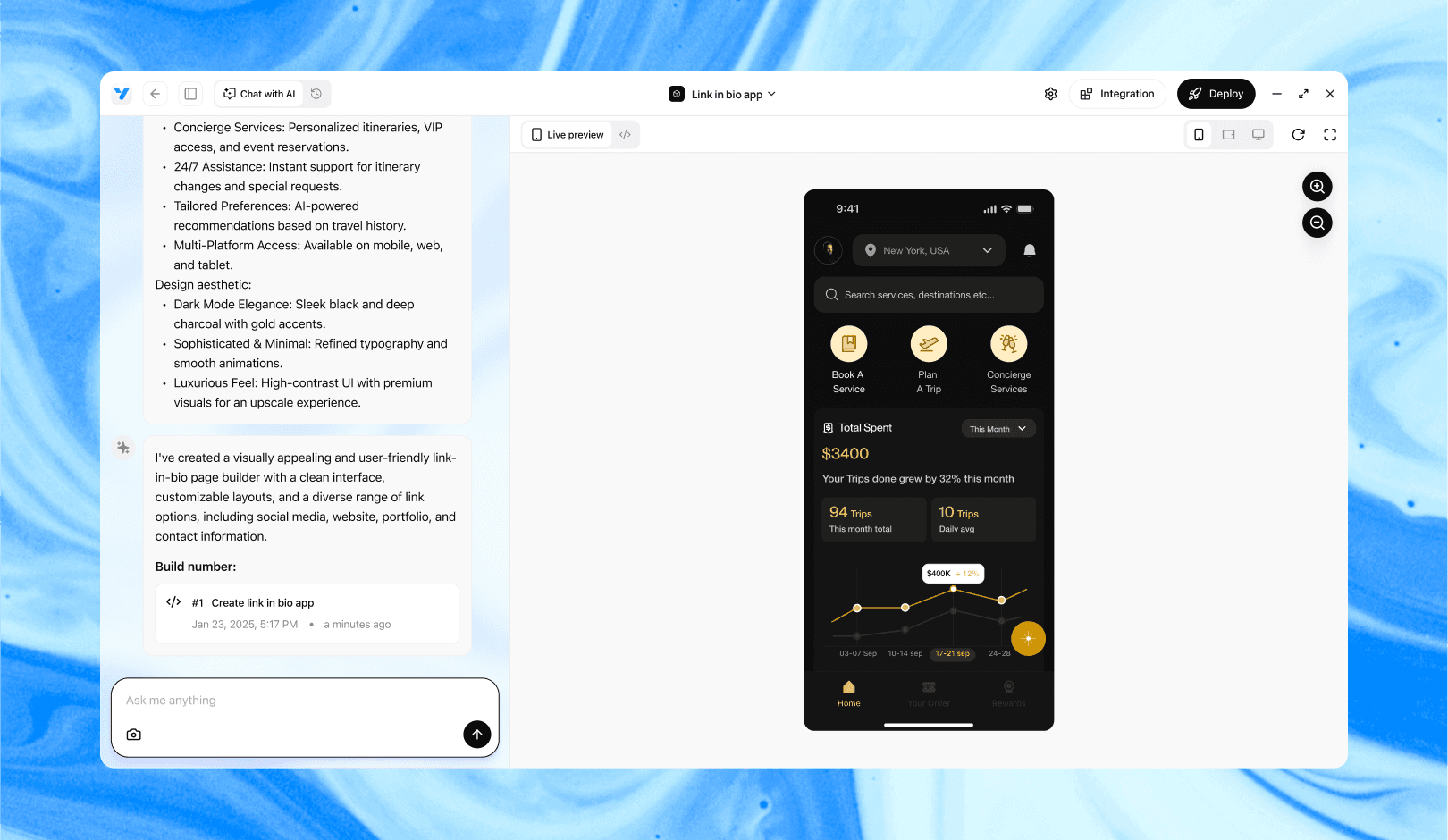
Vibe Studio, powered by Steve’s advanced AI agents, is a revolutionary no-code, conversational platform that empowers users to quickly and efficiently create full-stack Flutter applications integrated seamlessly with Firebase backend services. Ideal for solo founders, startups, and agile engineering teams, Vibe Studio allows users to visually manage and deploy Flutter apps, greatly accelerating the development process. The intuitive conversational interface simplifies complex development tasks, making app creation accessible even for non-coders.

Conclusion

A Flutter admin panel with sortable, editable tables is achievable with focused state management: a clear data model, typed sorting handlers, per-row edit state, and robust persistence. Prioritize small, testable functions for sorting and editing, and pick the right rendering strategy as dataset size grows. The patterns here translate directly to mobile development needs: responsive UI, predictable state flows, and straightforward backend synchronization.

Introduction

Building an admin panel in Flutter for mobile development can be surprisingly straightforward when you leverage DataTable for tabular UI, plus a few patterns for sorting and inline editing. This tutorial focuses on practical patterns: designing a simple data model, wiring a DataTable for sortable columns, enabling inline editing with minimal state, and validating/persisting changes. Code-first, concise, and practical for real apps.

Designing The Data Model

Start with a compact, serializable model that reflects the rows in your admin table. Keep the model immutable for easier state updates and implement copyWith for modifications. In mobile development, lean models reduce rebuild overhead and make syncing to backends predictable.

Example model and sample data:

class User { final int id; final String name; final String role; const User({this.id, this.name, this.role}); User copyWith({String name, String role}) => User(id: id, name: name ?? this.name, role: role ?? this.role);} 
final sampleUsers = [User(id:1,name:'Alex',role:'Admin'), User(id:2,name:'Rita',role:'Editor')];

Building The DataTable With Sorting

Flutter's DataTable widget supports column sorting through onSort on DataColumn and a sortColumnIndex flag. Maintain a sort state and sort your backing list before building rows. Keep sorting logic separate from UI generation to keep code testable.

Key points:

  • store sortColumnIndex and sortAscending in state;

  • implement a generic comparator for different data types (numbers, strings, dates);

  • call setState to reorder and update the sort metadata.

A minimal sorting handler:

void onSort<T>(int columnIndex, bool ascending, T Function(User u) getField) {
  setState(() {
    users.sort((a,b) => ascending ? Comparable.compare(getField(a), getField(b)) : Comparable.compare(getField(b), getField(a)));
    sortColumnIndex = columnIndex; sortAscending = ascending;
  });
}

Then wire DataColumn(onSort: (i, asc) => onSort(i, asc, (u)=>u.name)). This pattern keeps comparison logic typed and concise.

Implementing Inline Editing

Inline editing improves admin productivity. Use DataCell widgets that can toggle between display and editing modes. Keep per-row editing state minimal: track the currently edited row id and temporary controllers for edited fields. When entering edit mode, create TextEditingController(s) initialized with the current value; when saving, validate and apply copyWith to the model.

UI pattern:

  • DataCell shows Text when not editing; tapping the cell or an edit icon switches to a TextField inside the DataCell.

  • Use showEditIcon true on DataCell to provide affordance.

  • Commit on submit or leave-edit by pressing a save/cancel action in the row.

This approach avoids rebuilding large parts of the table and keeps focus management local. For complex rows prefer a modal or side panel to edit multiple fields at once.

Persisting Changes And Validation

Validation is essential. Implement synchronous validation client-side (required fields, formats) and async validation for server constraints. On save:

  • validate values locally;

  • optimistically update the UI using the copyWith model and show a transient snackbar;

  • perform the network call and, on failure, roll back or show an action to retry.

Use a repository pattern to separate persistence logic. For mobile development, consider batching edits or using a debounced sync when network is flaky. Keep UI responsive by performing IO off the main isolate and showing clear spinner states per-row instead of blocking the whole table.

Performance And Responsiveness

DataTable is great for moderate row counts. For very large datasets prefer PaginatedDataTable or a custom ListView with DataRow-like widgets to avoid building all rows at once. Optimize rebuilds by:

  • keeping rows stateless where possible;

  • passing only necessary props to row widgets;

  • using keys to preserve editing controllers when rows reorder.

Ensure accessibility: provide semantic labels for editable fields and support keyboard navigation on desktop targets.

Vibe Studio

Vibe Studio, powered by Steve’s advanced AI agents, is a revolutionary no-code, conversational platform that empowers users to quickly and efficiently create full-stack Flutter applications integrated seamlessly with Firebase backend services. Ideal for solo founders, startups, and agile engineering teams, Vibe Studio allows users to visually manage and deploy Flutter apps, greatly accelerating the development process. The intuitive conversational interface simplifies complex development tasks, making app creation accessible even for non-coders.

Conclusion

A Flutter admin panel with sortable, editable tables is achievable with focused state management: a clear data model, typed sorting handlers, per-row edit state, and robust persistence. Prioritize small, testable functions for sorting and editing, and pick the right rendering strategy as dataset size grows. The patterns here translate directly to mobile development needs: responsive UI, predictable state flows, and straightforward backend synchronization.

Build Flutter Apps Faster with Vibe Studio

Vibe Studio is your AI-powered Flutter development companion. Skip boilerplate, build in real-time, and deploy without hassle. Start creating apps at lightning speed with zero setup.

Other Insights

Join a growing community of builders today

Join a growing community of builders today

Join a growing community of builders today

Join a growing community of builders today

Join a growing community of builders today

28-07 Jackson Ave

Walturn

New York NY 11101 United States

© Steve • All Rights Reserved 2025

28-07 Jackson Ave

Walturn

New York NY 11101 United States

© Steve • All Rights Reserved 2025

28-07 Jackson Ave

Walturn

New York NY 11101 United States

© Steve • All Rights Reserved 2025

28-07 Jackson Ave

Walturn

New York NY 11101 United States

© Steve • All Rights Reserved 2025

28-07 Jackson Ave

Walturn

New York NY 11101 United States

© Steve • All Rights Reserved 2025

28-07 Jackson Ave

Walturn

New York NY 11101 United States

© Steve • All Rights Reserved 2025