Building A Design Token Pipeline From JSON To Flutter Theme
Summary
Summary

This tutorial explains a pragmatic pipeline for converting JSON design tokens into Flutter ThemeData. It covers token structure and naming, a minimal Dart generator, integrating tokens into ThemeData, and automating generation and validation in CI. The approach improves consistency and developer velocity in Flutter mobile development.

This tutorial explains a pragmatic pipeline for converting JSON design tokens into Flutter ThemeData. It covers token structure and naming, a minimal Dart generator, integrating tokens into ThemeData, and automating generation and validation in CI. The approach improves consistency and developer velocity in Flutter mobile development.

Key insights:
Key insights:
  • Token Structure And Naming: Use category-based JSON and semantic names to keep tokens stable and machine-friendly.

  • JSON To Dart Generation: Generate typed Dart constants from JSON—either via simple scripts or build_runner—for safe, fast consumption.

  • Integrating With Flutter Theme: Map semantic tokens to ThemeData fields centrally so token changes propagate app-wide.

  • Automating The Pipeline: Add JSON schema validation, CI generation, and pre-commit checks to prevent drift between design and code.

  • Versioning And Release: Treat token files as versioned artifacts; publish packages or artifacts for multi-app reuse and predictable rollouts.

Introduction

Design tokens are the single source of truth for visual style—colors, spacing, type scales, radii—shared across platforms. In Flutter mobile development, converting design tokens from a JSON source into a compile-time Flutter Theme improves consistency, performance, and developer ergonomics. This tutorial shows a pragmatic pipeline: define token JSON, generate Dart constants, and transform them into a ThemeData that your app can consume.

Token Structure And Naming

Start with a predictable JSON shape. Organize tokens by category and use semantic names rather than raw values. Example categories: colors, typography, spacing, radii, shadows. Semantic naming (brandPrimary, surfaceBackground, bodyLarge) makes tokens stable when design changes. Include metadata like description and type for tooling and validation.

Example JSON pattern (conceptual):

{ 
  "colors": {
    "brandPrimary": {"value": "#0A84FF", "description": "Primary brand color"},
    "surfaceBackground": {"value": "#FFFFFF"}
  },
  "spacing": {"small": {"value": 8}, "medium": {"value": 16}}
 }

Keep values normalized (hex for colors, numbers for spacing). This consistency allows simple generation and validation.

JSON To Dart Generation

Choose between manual scripts or build-time code-gen. For small projects a Dart script that reads JSON and writes a tokens.dart file is sufficient. For larger codebases prefer build_runner or a custom generator so tokens are regenerated automatically on changes.

Minimal generator sketch (reads tokens.json and prints a Dart const map). This is conceptual and omits error handling for brevity:

import 'dart:convert';
import 'dart:io';

void main() {
  final json = jsonDecode(File('tokens.json').readAsStringSync());
  final colors = json['colors'] as Map<String, dynamic>;
  final buffer = StringBuffer('class DesignTokens {\n');
  colors.forEach((k, v) => buffer.writeln(" static const $k = ${v['value']};"));
  buffer.writeln('}');
  File('lib/design_tokens.dart').writeAsStringSync(buffer.toString());
}

Better generators will map hex strings to Color constructors, produce strongly typed classes, and include comments/docstrings using the description metadata.

Integrating With Flutter Theme

Once you have a Dart token file, create a ThemeData factory that consumes tokens. Prefer semantic tokens to map directly into ThemeData fields: primaryColor, scaffoldBackgroundColor, textTheme, elevatedButtonTheme, etc. Keep the ThemeData construction in a single place so changes to tokens propagate predictably.

Example: building ThemeData from token values (assumes design tokens expose Color and double constants):

import 'package:flutter/material.dart';
import 'design_tokens.dart';

ThemeData buildAppTheme() => ThemeData(
  primaryColor: DesignTokens.brandPrimary,
  scaffoldBackgroundColor: DesignTokens.surfaceBackground,
  textTheme: TextTheme(bodyText1: TextStyle(fontSize: 16, color: DesignTokens.textPrimary)),
  elevatedButtonTheme: ElevatedButtonThemeData(style: ElevatedButton.styleFrom(primary: DesignTokens.brandPrimary)),
);

Advantage: themes are typed and optimized by Flutter's rendering pipeline. Use variants (light/dark) by swapping token JSON files per scheme.

Automating The Pipeline

Automation reduces friction and errors. Typical pipeline steps:

  • Validate JSON against a JSON Schema (types, required keys).

  • Run generator (CI job or pre-commit hook) to emit Dart tokens.

  • Lint and fail build if generated code is out of date.

  • Publish token versions into a mono-repo package or artifact, if multiple apps/platforms consume them.

Use a lightweight watcher during development (dart run script) to regenerate tokens on edit. For production, incorporate generation into CI so merges always produce up-to-date token artifacts.

Vibe Studio
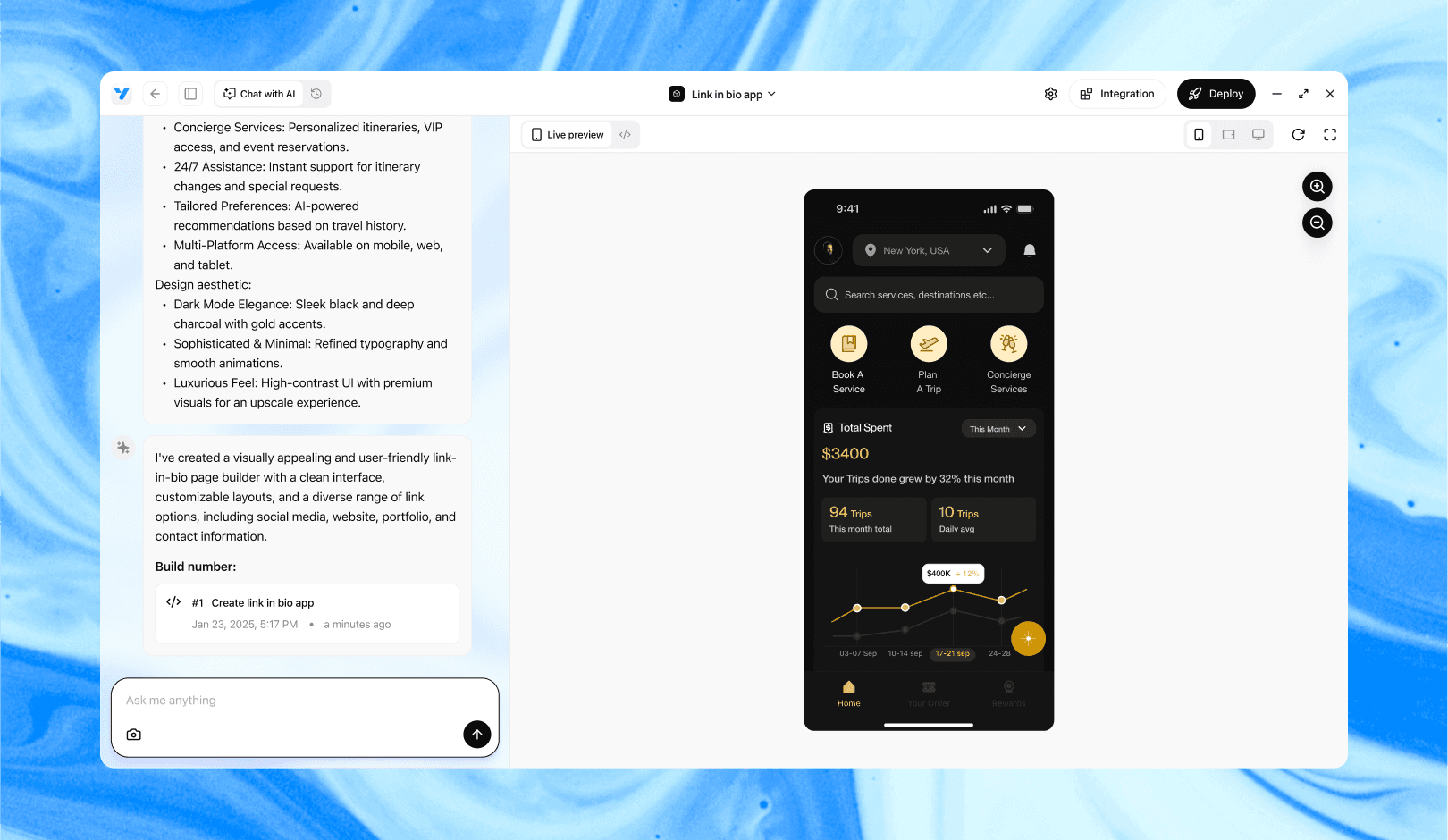
Vibe Studio, powered by Steve’s advanced AI agents, is a revolutionary no-code, conversational platform that empowers users to quickly and efficiently create full-stack Flutter applications integrated seamlessly with Firebase backend services. Ideal for solo founders, startups, and agile engineering teams, Vibe Studio allows users to visually manage and deploy Flutter apps, greatly accelerating the development process. The intuitive conversational interface simplifies complex development tasks, making app creation accessible even for non-coders.

Conclusion

A reliable token pipeline in Flutter mobile development moves design intent into typed, performant runtime code. Define a clear JSON schema, generate typed Dart representations, and centralize ThemeData construction. Automate validation and generation in CI to keep design and implementation synchronized. The result: predictable theming, faster iteration, and fewer visual regressions across your Flutter apps.

Introduction

Design tokens are the single source of truth for visual style—colors, spacing, type scales, radii—shared across platforms. In Flutter mobile development, converting design tokens from a JSON source into a compile-time Flutter Theme improves consistency, performance, and developer ergonomics. This tutorial shows a pragmatic pipeline: define token JSON, generate Dart constants, and transform them into a ThemeData that your app can consume.

Token Structure And Naming

Start with a predictable JSON shape. Organize tokens by category and use semantic names rather than raw values. Example categories: colors, typography, spacing, radii, shadows. Semantic naming (brandPrimary, surfaceBackground, bodyLarge) makes tokens stable when design changes. Include metadata like description and type for tooling and validation.

Example JSON pattern (conceptual):

{ 
  "colors": {
    "brandPrimary": {"value": "#0A84FF", "description": "Primary brand color"},
    "surfaceBackground": {"value": "#FFFFFF"}
  },
  "spacing": {"small": {"value": 8}, "medium": {"value": 16}}
 }

Keep values normalized (hex for colors, numbers for spacing). This consistency allows simple generation and validation.

JSON To Dart Generation

Choose between manual scripts or build-time code-gen. For small projects a Dart script that reads JSON and writes a tokens.dart file is sufficient. For larger codebases prefer build_runner or a custom generator so tokens are regenerated automatically on changes.

Minimal generator sketch (reads tokens.json and prints a Dart const map). This is conceptual and omits error handling for brevity:

import 'dart:convert';
import 'dart:io';

void main() {
  final json = jsonDecode(File('tokens.json').readAsStringSync());
  final colors = json['colors'] as Map<String, dynamic>;
  final buffer = StringBuffer('class DesignTokens {\n');
  colors.forEach((k, v) => buffer.writeln(" static const $k = ${v['value']};"));
  buffer.writeln('}');
  File('lib/design_tokens.dart').writeAsStringSync(buffer.toString());
}

Better generators will map hex strings to Color constructors, produce strongly typed classes, and include comments/docstrings using the description metadata.

Integrating With Flutter Theme

Once you have a Dart token file, create a ThemeData factory that consumes tokens. Prefer semantic tokens to map directly into ThemeData fields: primaryColor, scaffoldBackgroundColor, textTheme, elevatedButtonTheme, etc. Keep the ThemeData construction in a single place so changes to tokens propagate predictably.

Example: building ThemeData from token values (assumes design tokens expose Color and double constants):

import 'package:flutter/material.dart';
import 'design_tokens.dart';

ThemeData buildAppTheme() => ThemeData(
  primaryColor: DesignTokens.brandPrimary,
  scaffoldBackgroundColor: DesignTokens.surfaceBackground,
  textTheme: TextTheme(bodyText1: TextStyle(fontSize: 16, color: DesignTokens.textPrimary)),
  elevatedButtonTheme: ElevatedButtonThemeData(style: ElevatedButton.styleFrom(primary: DesignTokens.brandPrimary)),
);

Advantage: themes are typed and optimized by Flutter's rendering pipeline. Use variants (light/dark) by swapping token JSON files per scheme.

Automating The Pipeline

Automation reduces friction and errors. Typical pipeline steps:

  • Validate JSON against a JSON Schema (types, required keys).

  • Run generator (CI job or pre-commit hook) to emit Dart tokens.

  • Lint and fail build if generated code is out of date.

  • Publish token versions into a mono-repo package or artifact, if multiple apps/platforms consume them.

Use a lightweight watcher during development (dart run script) to regenerate tokens on edit. For production, incorporate generation into CI so merges always produce up-to-date token artifacts.

Vibe Studio

Vibe Studio, powered by Steve’s advanced AI agents, is a revolutionary no-code, conversational platform that empowers users to quickly and efficiently create full-stack Flutter applications integrated seamlessly with Firebase backend services. Ideal for solo founders, startups, and agile engineering teams, Vibe Studio allows users to visually manage and deploy Flutter apps, greatly accelerating the development process. The intuitive conversational interface simplifies complex development tasks, making app creation accessible even for non-coders.

Conclusion

A reliable token pipeline in Flutter mobile development moves design intent into typed, performant runtime code. Define a clear JSON schema, generate typed Dart representations, and centralize ThemeData construction. Automate validation and generation in CI to keep design and implementation synchronized. The result: predictable theming, faster iteration, and fewer visual regressions across your Flutter apps.

Build Flutter Apps Faster with Vibe Studio

Vibe Studio is your AI-powered Flutter development companion. Skip boilerplate, build in real-time, and deploy without hassle. Start creating apps at lightning speed with zero setup.

Other Insights

Join a growing community of builders today

Join a growing community of builders today

Join a growing community of builders today

Join a growing community of builders today

Join a growing community of builders today

28-07 Jackson Ave

Walturn

New York NY 11101 United States

© Steve • All Rights Reserved 2025

28-07 Jackson Ave

Walturn

New York NY 11101 United States

© Steve • All Rights Reserved 2025

28-07 Jackson Ave

Walturn

New York NY 11101 United States

© Steve • All Rights Reserved 2025

28-07 Jackson Ave

Walturn

New York NY 11101 United States

© Steve • All Rights Reserved 2025

28-07 Jackson Ave

Walturn

New York NY 11101 United States

© Steve • All Rights Reserved 2025

28-07 Jackson Ave

Walturn

New York NY 11101 United States

© Steve • All Rights Reserved 2025