Building A Custom Video Feed UI With Preloading And Recycling
Summary
Summary
Summary
Summary

This tutorial explains a practical Flutter approach to building a mobile video feed: separate models from player controllers, maintain a small active window, preload nearby items, and recycle controllers via a pool or LRU strategy. Use debounced scroll events and lifecycle handling to minimize memory and CPU, ensure instant playback, and retain smooth UX.

This tutorial explains a practical Flutter approach to building a mobile video feed: separate models from player controllers, maintain a small active window, preload nearby items, and recycle controllers via a pool or LRU strategy. Use debounced scroll events and lifecycle handling to minimize memory and CPU, ensure instant playback, and retain smooth UX.

This tutorial explains a practical Flutter approach to building a mobile video feed: separate models from player controllers, maintain a small active window, preload nearby items, and recycle controllers via a pool or LRU strategy. Use debounced scroll events and lifecycle handling to minimize memory and CPU, ensure instant playback, and retain smooth UX.

This tutorial explains a practical Flutter approach to building a mobile video feed: separate models from player controllers, maintain a small active window, preload nearby items, and recycle controllers via a pool or LRU strategy. Use debounced scroll events and lifecycle handling to minimize memory and CPU, ensure instant playback, and retain smooth UX.

Key insights:
Key insights:
Key insights:
Key insights:
  • Designing The Feed Architecture: Keep models separate from controllers and limit active controllers with an adjustable activeWindow.

  • Preloading Strategy: Debounce scroll input and initialize controllers for a short ahead-range to achieve instant playback.

  • Recycling Video Players: Use a controller pool or LRU cache to reuse instances and avoid frequent allocations and GC spikes.

  • Smooth Playback And UX: Auto-play visible item, mute by default, show thumbnails while initializing, and ensure only one controller plays.

  • Performance Measurement: Profile controller counts, memory and FPS under flings to tune activeWindow and preloadAhead values.

Introduction

Building a performant, scrollable video feed on mobile requires more than putting VideoPlayers into a ListView. This tutorial shows a pragmatic architecture for a custom feed UI in Flutter that preloads nearby videos and recycles controllers to minimize memory, CPU and network spikes. You’ll get concrete techniques you can apply in flutter mobile development projects.

Designing The Feed Architecture

Start with a data-driven design: the feed is a sequence of lightweight model objects (id, url, thumbnail, duration). UI code must separate data from player lifecycle. Use a scrollable like PageView or ListView.builder for full-screen or inline cards. The core idea: keep only N active VideoPlayerControllers at a time and maintain a cache that maps index -> controller.

A small controller pool reduces memory and decoding overhead. Define parameters: activeWindow (how many indices are considered active), preloadAhead (how many items ahead to preload), and recycleThreshold (how far away before disposing). Example values: activeWindow = 5, preloadAhead = 2 for mobile.

Preloading Strategy

Preloading means preparing the player enough that playback starts instantly when visible. Preload steps: allocate controller, set data source, initialize (but keep paused), and buffer some frames if supported. In flutter, use video_player or better a platform-aware plugin that exposes buffering state.

Trigger preloads from scroll events. For performance, debounce scroll notifications and calculate target indices to ensure you don’t over-allocate during fast flings. Preload only network streams you expect the user to reach within a couple of seconds.

Example: onPageChanged or onScroll update activeIndices = [current - 2 .. current + 2]; ensure controllers exist for those indices and create controllers for indices in [current + 1 .. current + preloadAhead]. Dispose controllers outside activeWindow.

// Create or reuse a controller for index
Future<VideoPlayerController> ensureController(int index) async {
  if (cache.containsKey(index)) return cache[index]!;
  final c = VideoPlayerController.network(models[index].url);
  cache[index] = c;
  await c.initialize(); // preload metadata and buffer
  c.setVolume(0);
  return c;
}

Recycling Video Players

Recycling means reusing controller instances or reassigning them to new URLs to avoid frequent allocations. Two options: strict pool (fixed number of controllers that get assigned to different indices) or cache with LRU disposal. Pooling is deterministic and reduces GC pressure; LRU is simpler to implement.

If you reassign a controller, stop and seek to start before changing source to avoid race conditions. Always stop playback and remove listeners before disposing or reassigning.

Lifecycle tips:

  • Keep listeners minimal; use ValueListenableBuilder on controller.value to update UI.

  • Avoid rebuilding controllers on every frame; separate player widgets from surrounding layout.

  • Dispose controllers on app backgrounding or low-memory callbacks.

// Recycle: pick an idle controller from pool
void recycleController(int fromIndex, int toIndex) async {
  final c = pool.removeLast();
  await c.pause();
  await c.seekTo(Duration.zero);
  await c.setDataSource(models[toIndex].url); // pseudo API shown
  cache[toIndex] = c;
}

Smooth Playback And UX

Playback UX matters: auto-play when visible, mute by default, show a thumbnail while initializing, and animate transitions. Use visibility detection (VisibilityDetector or PageView callbacks) to decide which controller should play. Only one controller should be playing at a time to preserve battery.

Handle interruptions: pause on app lifecycle changes, incoming calls or when an overlay appears. Provide a lightweight gesture layer for mute/unmute, pause/resume and download status. Show buffering indicators based on controller.buffered or isBuffering flags.

Testing and measurement: profile memory, FPS and network with dev tools. Simulate flings to ensure your debounce and preload logic prevents excessive initialization. Track controller count over time; your activeWindow should be small enough to keep memory stable.

Vibe Studio
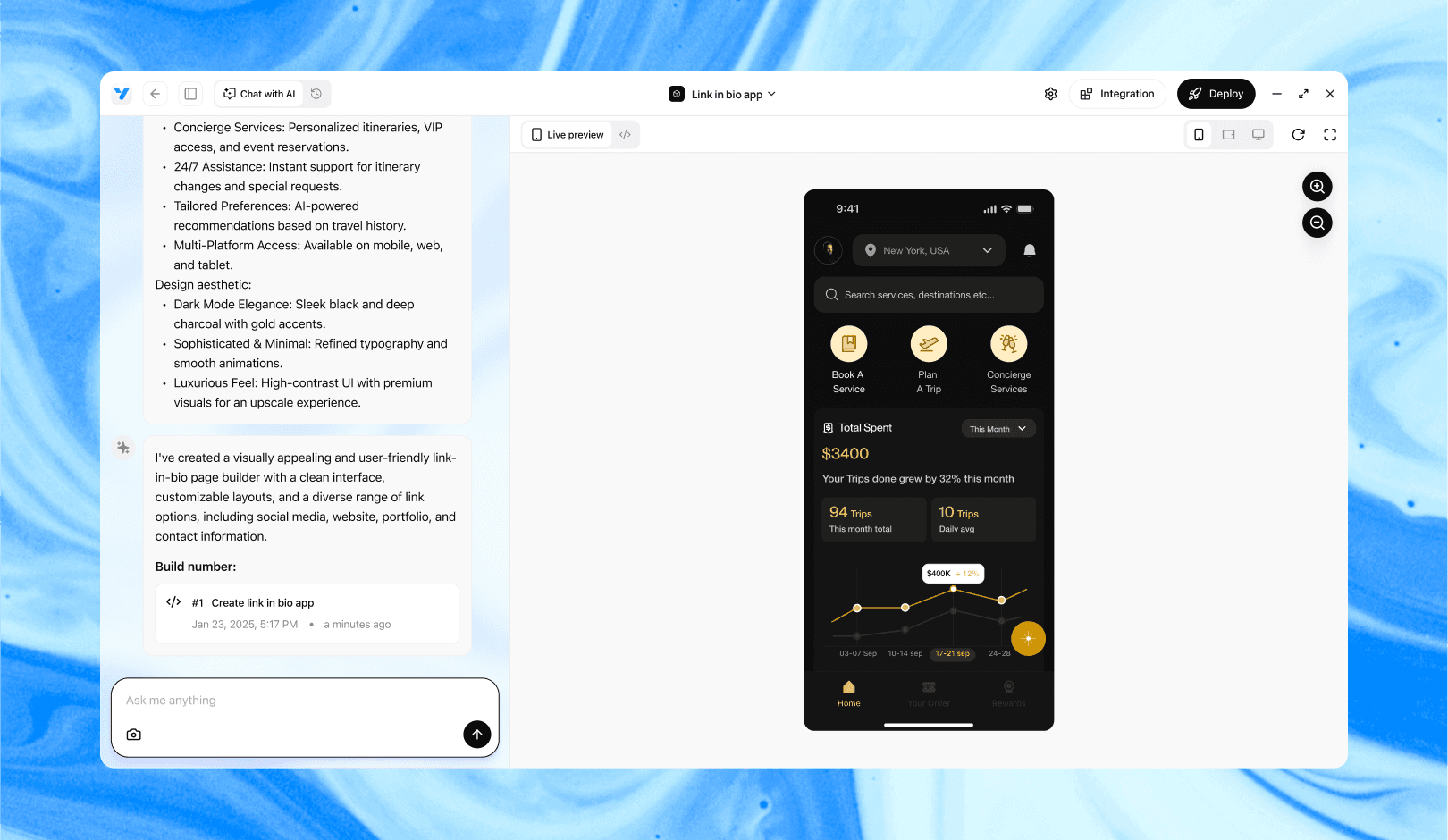
Vibe Studio, powered by Steve’s advanced AI agents, is a revolutionary no-code, conversational platform that empowers users to quickly and efficiently create full-stack Flutter applications integrated seamlessly with Firebase backend services. Ideal for solo founders, startups, and agile engineering teams, Vibe Studio allows users to visually manage and deploy Flutter apps, greatly accelerating the development process. The intuitive conversational interface simplifies complex development tasks, making app creation accessible even for non-coders.

Conclusion

A responsive video feed in flutter and mobile development depends on explicit management of player lifecycle: separate data from controllers, preload a small number of items, and recycle controllers to limit allocations. Use debounced scroll events to trigger intelligent preloading, keep a pool or LRU cache of controllers, and always pause/cleanup correctly. These patterns lead to instant perceived playback, lower memory use and smoother scrolling on real devices.


Introduction

Building a performant, scrollable video feed on mobile requires more than putting VideoPlayers into a ListView. This tutorial shows a pragmatic architecture for a custom feed UI in Flutter that preloads nearby videos and recycles controllers to minimize memory, CPU and network spikes. You’ll get concrete techniques you can apply in flutter mobile development projects.

Designing The Feed Architecture

Start with a data-driven design: the feed is a sequence of lightweight model objects (id, url, thumbnail, duration). UI code must separate data from player lifecycle. Use a scrollable like PageView or ListView.builder for full-screen or inline cards. The core idea: keep only N active VideoPlayerControllers at a time and maintain a cache that maps index -> controller.

A small controller pool reduces memory and decoding overhead. Define parameters: activeWindow (how many indices are considered active), preloadAhead (how many items ahead to preload), and recycleThreshold (how far away before disposing). Example values: activeWindow = 5, preloadAhead = 2 for mobile.

Preloading Strategy

Preloading means preparing the player enough that playback starts instantly when visible. Preload steps: allocate controller, set data source, initialize (but keep paused), and buffer some frames if supported. In flutter, use video_player or better a platform-aware plugin that exposes buffering state.

Trigger preloads from scroll events. For performance, debounce scroll notifications and calculate target indices to ensure you don’t over-allocate during fast flings. Preload only network streams you expect the user to reach within a couple of seconds.

Example: onPageChanged or onScroll update activeIndices = [current - 2 .. current + 2]; ensure controllers exist for those indices and create controllers for indices in [current + 1 .. current + preloadAhead]. Dispose controllers outside activeWindow.

// Create or reuse a controller for index
Future<VideoPlayerController> ensureController(int index) async {
  if (cache.containsKey(index)) return cache[index]!;
  final c = VideoPlayerController.network(models[index].url);
  cache[index] = c;
  await c.initialize(); // preload metadata and buffer
  c.setVolume(0);
  return c;
}

Recycling Video Players

Recycling means reusing controller instances or reassigning them to new URLs to avoid frequent allocations. Two options: strict pool (fixed number of controllers that get assigned to different indices) or cache with LRU disposal. Pooling is deterministic and reduces GC pressure; LRU is simpler to implement.

If you reassign a controller, stop and seek to start before changing source to avoid race conditions. Always stop playback and remove listeners before disposing or reassigning.

Lifecycle tips:

  • Keep listeners minimal; use ValueListenableBuilder on controller.value to update UI.

  • Avoid rebuilding controllers on every frame; separate player widgets from surrounding layout.

  • Dispose controllers on app backgrounding or low-memory callbacks.

// Recycle: pick an idle controller from pool
void recycleController(int fromIndex, int toIndex) async {
  final c = pool.removeLast();
  await c.pause();
  await c.seekTo(Duration.zero);
  await c.setDataSource(models[toIndex].url); // pseudo API shown
  cache[toIndex] = c;
}

Smooth Playback And UX

Playback UX matters: auto-play when visible, mute by default, show a thumbnail while initializing, and animate transitions. Use visibility detection (VisibilityDetector or PageView callbacks) to decide which controller should play. Only one controller should be playing at a time to preserve battery.

Handle interruptions: pause on app lifecycle changes, incoming calls or when an overlay appears. Provide a lightweight gesture layer for mute/unmute, pause/resume and download status. Show buffering indicators based on controller.buffered or isBuffering flags.

Testing and measurement: profile memory, FPS and network with dev tools. Simulate flings to ensure your debounce and preload logic prevents excessive initialization. Track controller count over time; your activeWindow should be small enough to keep memory stable.

Vibe Studio

Vibe Studio, powered by Steve’s advanced AI agents, is a revolutionary no-code, conversational platform that empowers users to quickly and efficiently create full-stack Flutter applications integrated seamlessly with Firebase backend services. Ideal for solo founders, startups, and agile engineering teams, Vibe Studio allows users to visually manage and deploy Flutter apps, greatly accelerating the development process. The intuitive conversational interface simplifies complex development tasks, making app creation accessible even for non-coders.

Conclusion

A responsive video feed in flutter and mobile development depends on explicit management of player lifecycle: separate data from controllers, preload a small number of items, and recycle controllers to limit allocations. Use debounced scroll events to trigger intelligent preloading, keep a pool or LRU cache of controllers, and always pause/cleanup correctly. These patterns lead to instant perceived playback, lower memory use and smoother scrolling on real devices.

Build Flutter Apps Faster with Vibe Studio

Vibe Studio is your AI-powered Flutter development companion. Skip boilerplate, build in real-time, and deploy without hassle. Start creating apps at lightning speed with zero setup.

Other Insights

Join a growing community of builders today

Join a growing community of builders today

Join a growing community of builders today

Join a growing community of builders today

Join a growing community of builders today

28-07 Jackson Ave

Walturn

New York NY 11101 United States

© Steve • All Rights Reserved 2025

28-07 Jackson Ave

Walturn

New York NY 11101 United States

© Steve • All Rights Reserved 2025

28-07 Jackson Ave

Walturn

New York NY 11101 United States

© Steve • All Rights Reserved 2025

28-07 Jackson Ave

Walturn

New York NY 11101 United States

© Steve • All Rights Reserved 2025

28-07 Jackson Ave

Walturn

New York NY 11101 United States

© Steve • All Rights Reserved 2025

28-07 Jackson Ave

Walturn

New York NY 11101 United States

© Steve • All Rights Reserved 2025