Background Audio Playback And Media Controls In Flutter
Jan 27, 2026


Summary
Summary
Summary
Summary
Practical guide to implementing background audio in Flutter using audio_service, just_audio, and audio_session. Covers architecture, background task setup, media control handling, notification/lockscreen integration, audio focus, and testing across Android and iOS.
Key insights:
Key insights:
Key insights:
Key insights:
Core Packages: Combine just_audio for playback, audio_session for audio focus, and audio_service for background hosting and media controls.
Background Task: Run playback logic in an audio_service background task to survive app suspension and expose consistent state and metadata.
Media Controls: Implement onPlay/onPause/onSeek handlers and publish MediaItem/PlaybackState so notifications, lock screen, and Bluetooth controls work.
Audio Focus & Interruptions: Use audio_session to configure categories and respond to interruptions and noisy events (headphone unplug, calls).
Platform Testing: Test on real devices, configure Android foreground service and iOS background mode, and throttle state updates to save battery.
Introduction
Background audio playback and media controls are essential features in mobile development when building music, podcast, or voice apps with Flutter. Mobile platforms suspend or kill apps when they move to the background, so you must implement a background audio service, manage audio focus, and expose media controls (notification, lock screen, and external controls like Bluetooth). This tutorial explains a practical architecture using audio_service, just_audio, and audio_session to achieve robust background playback with platform media controls.
Core Packages And Architecture
Use three complementary packages: just_audio for playback, audio_session to manage platform audio focus and categories, and audio_service to host a background task and expose media controls. The architecture separates UI (Flutter main isolate) from a background audio task (separate Dart execution hosted by audio_service). The background task owns the player and responds to system media button events, while the UI sends commands and listens for state updates.
Key responsibilities:
Background task: create and manage the just_audio player, handle play/pause/seek/skip, publish MediaItem and playback state, respond to media button events.
UI: control playback through audio_service APIs and update UI from published streams.
Audio session: set audio category (playback) and handle interruptions like phone calls.
Implementing Background Audio
Initialize audio_service in main and register the background entry point. Inside the background task, initialize audio_session and just_audio, then expose play/pause and state updates via audio_service's API.
Example background task skeleton:
// background.dart Future<void> _audioBackgroundEntry() async { final session = await AudioSession.instance; await session.configure(AudioSessionConfiguration.music()); final player = AudioPlayer(); AudioServiceBackground.run(() => MyAudioHandler(player)); }
Implement an AudioHandler that bridges audio_service and just_audio. Publish MediaItem metadata so the system notification and lock screen show title, artist, and artwork. Use AudioServiceBackground.setMediaItem for metadata and AudioServiceBackground.setState to reflect playback state and position.
Keep your background task defensive: handle errors, release resources on stop, and persist playback position if needed. Use audio_session.becomingNoisyEventStream to pause when headphones unplug.
Managing Media Controls And Notifications
audio_service handles platform media sessions and media button events. Implement onPlay, onPause, onSeek, onSkipToNext, onSkipToPrevious in your AudioHandler. Provide a complete PlaybackState with controls, processingState, playing flag, and update the position frequently (e.g., every 200–500ms).
Example play handling snippet:
// inside MyAudioHandler @override Future<void> play() async { await _player.play(); AudioServiceBackground.setState( controls: [MediaControl.pause, MediaControl.stop], playing: true, processingState: AudioProcessingState.ready, ); }
Customize the notification appearance via audio_service configuration and provide artwork URIs. For Android, implement a MediaStyle notification that reflects available controls and shows a large icon. For iOS, ensure your MPNowPlayingInfoCenter updates with artwork and elapsed playback.
Handle remote controls such as Bluetooth headsets and car media controls by mapping those events in the handler. Respect platform audio focus rules: when audio focus is lost transiently, pause; on ducking, lower volume.
Testing And Platform Considerations
Test on real devices; emulators may not simulate audio focus, media controls, or notification interactions faithfully. Verify scenarios:
Start playback, lock screen, and confirm controls appear and work.
Receive a phone call; ensure playback pauses and resumes appropriately.
Unplug headphones; ensure playback pauses if necessary.
Interact with Bluetooth controls and car modes.
Android-specific: add foreground service permissions and configure notification channel. For Android 13+ check runtime media permissions. iOS-specific: configure Background Modes -> Audio, and ensure you set the AVAudioSession category.
Performance tips: avoid heavy work in the background isolate besides playback control. Keep metadata and state updates lightweight. Use the player’s positionStream to update UI; throttle updates to avoid battery drain.
Vibe Studio
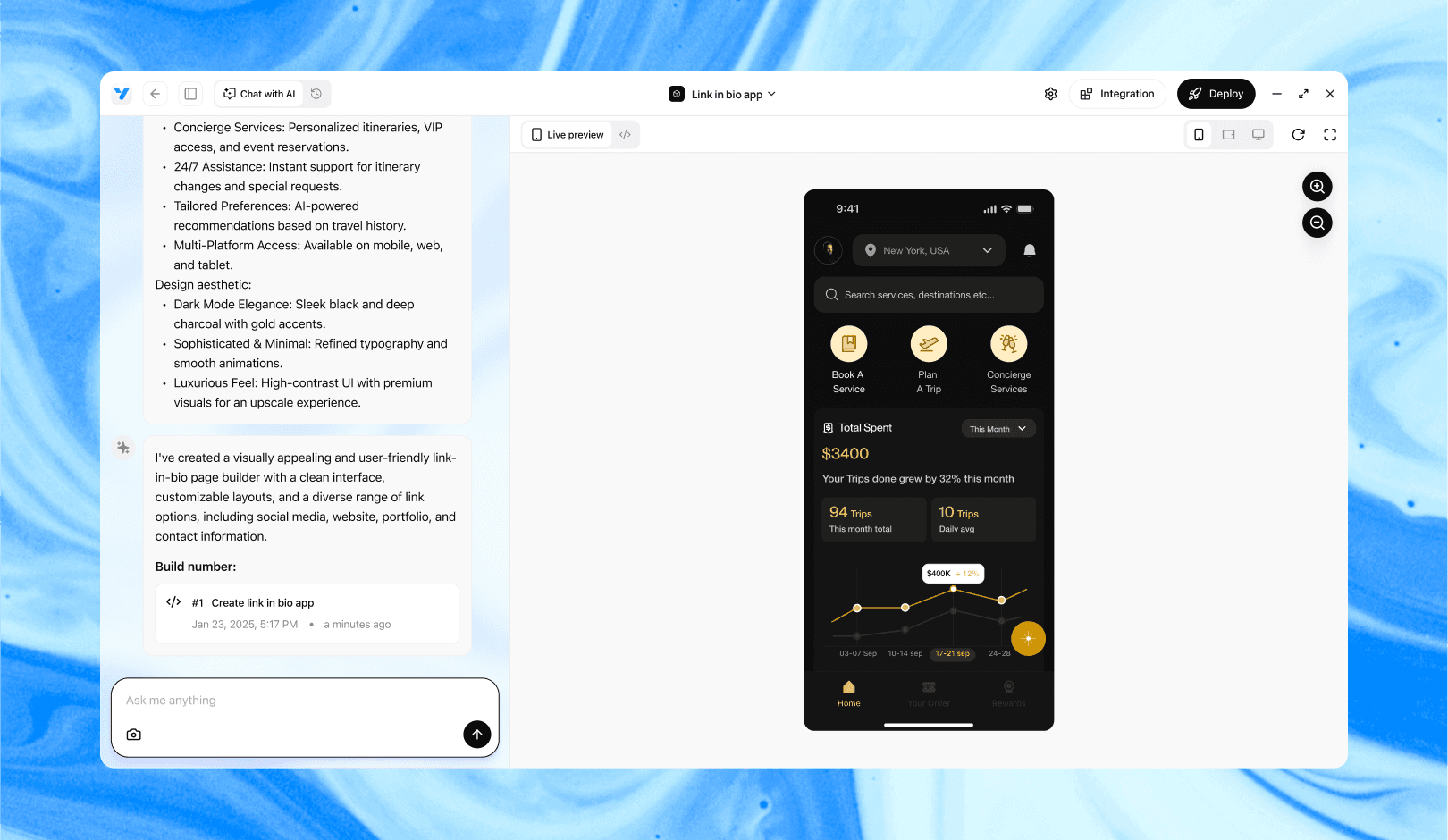
Vibe Studio, powered by Steve’s advanced AI agents, is a revolutionary no-code, conversational platform that empowers users to quickly and efficiently create full-stack Flutter applications integrated seamlessly with Firebase backend services. Ideal for solo founders, startups, and agile engineering teams, Vibe Studio allows users to visually manage and deploy Flutter apps, greatly accelerating the development process. The intuitive conversational interface simplifies complex development tasks, making app creation accessible even for non-coders.
Conclusion
Implementing background audio with media controls in Flutter requires a clear separation between UI and a background audio task, careful audio session configuration, and exposing consistent playback state and metadata to the platform. Using just_audio, audio_session, and audio_service together provides a reliable, cross-platform foundation. Test extensively on devices and handle interruptions and noisy events to deliver a polished user experience in mobile development.

Introduction
Background audio playback and media controls are essential features in mobile development when building music, podcast, or voice apps with Flutter. Mobile platforms suspend or kill apps when they move to the background, so you must implement a background audio service, manage audio focus, and expose media controls (notification, lock screen, and external controls like Bluetooth). This tutorial explains a practical architecture using audio_service, just_audio, and audio_session to achieve robust background playback with platform media controls.
Core Packages And Architecture
Use three complementary packages: just_audio for playback, audio_session to manage platform audio focus and categories, and audio_service to host a background task and expose media controls. The architecture separates UI (Flutter main isolate) from a background audio task (separate Dart execution hosted by audio_service). The background task owns the player and responds to system media button events, while the UI sends commands and listens for state updates.
Key responsibilities:
Background task: create and manage the just_audio player, handle play/pause/seek/skip, publish MediaItem and playback state, respond to media button events.
UI: control playback through audio_service APIs and update UI from published streams.
Audio session: set audio category (playback) and handle interruptions like phone calls.
Implementing Background Audio
Initialize audio_service in main and register the background entry point. Inside the background task, initialize audio_session and just_audio, then expose play/pause and state updates via audio_service's API.
Example background task skeleton:
// background.dart Future<void> _audioBackgroundEntry() async { final session = await AudioSession.instance; await session.configure(AudioSessionConfiguration.music()); final player = AudioPlayer(); AudioServiceBackground.run(() => MyAudioHandler(player)); }
Implement an AudioHandler that bridges audio_service and just_audio. Publish MediaItem metadata so the system notification and lock screen show title, artist, and artwork. Use AudioServiceBackground.setMediaItem for metadata and AudioServiceBackground.setState to reflect playback state and position.
Keep your background task defensive: handle errors, release resources on stop, and persist playback position if needed. Use audio_session.becomingNoisyEventStream to pause when headphones unplug.
Managing Media Controls And Notifications
audio_service handles platform media sessions and media button events. Implement onPlay, onPause, onSeek, onSkipToNext, onSkipToPrevious in your AudioHandler. Provide a complete PlaybackState with controls, processingState, playing flag, and update the position frequently (e.g., every 200–500ms).
Example play handling snippet:
// inside MyAudioHandler @override Future<void> play() async { await _player.play(); AudioServiceBackground.setState( controls: [MediaControl.pause, MediaControl.stop], playing: true, processingState: AudioProcessingState.ready, ); }
Customize the notification appearance via audio_service configuration and provide artwork URIs. For Android, implement a MediaStyle notification that reflects available controls and shows a large icon. For iOS, ensure your MPNowPlayingInfoCenter updates with artwork and elapsed playback.
Handle remote controls such as Bluetooth headsets and car media controls by mapping those events in the handler. Respect platform audio focus rules: when audio focus is lost transiently, pause; on ducking, lower volume.
Testing And Platform Considerations
Test on real devices; emulators may not simulate audio focus, media controls, or notification interactions faithfully. Verify scenarios:
Start playback, lock screen, and confirm controls appear and work.
Receive a phone call; ensure playback pauses and resumes appropriately.
Unplug headphones; ensure playback pauses if necessary.
Interact with Bluetooth controls and car modes.
Android-specific: add foreground service permissions and configure notification channel. For Android 13+ check runtime media permissions. iOS-specific: configure Background Modes -> Audio, and ensure you set the AVAudioSession category.
Performance tips: avoid heavy work in the background isolate besides playback control. Keep metadata and state updates lightweight. Use the player’s positionStream to update UI; throttle updates to avoid battery drain.
Vibe Studio

Vibe Studio, powered by Steve’s advanced AI agents, is a revolutionary no-code, conversational platform that empowers users to quickly and efficiently create full-stack Flutter applications integrated seamlessly with Firebase backend services. Ideal for solo founders, startups, and agile engineering teams, Vibe Studio allows users to visually manage and deploy Flutter apps, greatly accelerating the development process. The intuitive conversational interface simplifies complex development tasks, making app creation accessible even for non-coders.
Conclusion
Implementing background audio with media controls in Flutter requires a clear separation between UI and a background audio task, careful audio session configuration, and exposing consistent playback state and metadata to the platform. Using just_audio, audio_session, and audio_service together provides a reliable, cross-platform foundation. Test extensively on devices and handle interruptions and noisy events to deliver a polished user experience in mobile development.

Build Flutter Apps Faster with Vibe Studio
Vibe Studio is your AI-powered Flutter development companion. Skip boilerplate, build in real-time, and deploy without hassle. Start creating apps at lightning speed with zero setup.
Other Insights