Advanced Gesture Arena Concepts For Complex Interactions
Summary
Summary

This tutorial explains advanced Flutter gesture arena techniques for mobile development: custom recognizers, explicit accept/reject, GestureArenaTeam coordination, RawGestureDetector usage, debugging, and performance tips to build predictable multi-touch interactions.

This tutorial explains advanced Flutter gesture arena techniques for mobile development: custom recognizers, explicit accept/reject, GestureArenaTeam coordination, RawGestureDetector usage, debugging, and performance tips to build predictable multi-touch interactions.

Key insights:
Key insights:
  • Gesture Arena Basics: Delay acceptance until you have enough input; reject quickly when you can't win to let others proceed.

  • Custom Gesture Recognizers: Implement OneSequenceGestureRecognizer to encode domain-specific arbitration and call resolve explicitly.

  • Combining Gesture Recognizers For Complex UI: Use GestureArenaTeam or RawGestureDetector factories to coordinate nested or simultaneous gestures.

  • Debugging And Performance Considerations: Instrument recognizers, avoid allocations in event handlers, and test multi-touch on real devices.

  • Acceptance Strategy: The core UX trade-off is early responsiveness versus correct recognition—accept when certain, otherwise defer.

Introduction

Gesture arbitration in Flutter's gesture arena is critical when building rich, high-fidelity touch interactions on mobile. This article goes beyond basics to explore advanced concepts you need when multiple gesture recognizers must cooperate: custom recognizers, explicit acceptance/rejection, teams, delayed gestures, and performance considerations. Examples use RawGestureDetector and low-level recognizers so you can compose predictable multi-touch experiences in Flutter mobile development.

Gesture Arena Basics

The gesture arena is Flutter's mechanism for resolving competing gesture recognizers attached to the same pointer sequence. When a pointer event begins, recognizers that care about that pointer enter an arena. Each recognizer can claim, accept, or reject the gesture. The arena resolves when a recognizer accepts; others are then rejected. Understanding this lifecycle is essential: accept early when you are certain, delay acceptance if you may lose needed information (e.g., movement vs tap), and reject quickly when you cannot win so other recognizers can proceed.

Practical patterns:

  • Use TapGestureRecognizer for quick taps and Pan/Drag recognizers for movement. Let drag recognizers defer acceptance until motion exceeds a slop threshold.

  • Use GestureDetector for most cases; switch to RawGestureDetector for fine-grained control and custom recognizers.

Custom Gesture Recognizers

Custom recognizers let you encode domain-specific arbitration rules. Extend OneSequenceGestureRecognizer or PrimaryPointerGestureRecognizer to participate in the arena. Important lifecycle methods: addPointer, handleEvent, acceptGesture, rejectGesture, and resolve for explicit disposition control.

Example: a simplified custom recognizer that accepts only after a minimum distance is moved:

class DistanceBasedRecognizer extends OneSequenceGestureRecognizer {
  Offset? _start;
  @override
  void addPointer(PointerDownEvent event) => startTrackingPointer(event.pointer);
  @override
  void handleEvent(PointerEvent event) {
    if (event is PointerMoveEvent && _start==null) _start = event.position;
    if (event is PointerMoveEvent && (event.position - _start!).distance > 20) resolve(GestureDisposition.accept);
  }
  @override
  String get debugDescription => 'DistanceBased';
  @override
  void didStopTrackingLastPointer(int pointer) {}
}

This pattern gives precise control: you can call resolve(GestureDisposition.accept) only when domain conditions are met, otherwise let the arena decide later.

Combining Gesture Recognizers For Complex UI

Complex UIs often require simultaneous gestures (e.g., a carousel with nested swipe-to-dismiss and horizontal drag). Use GestureArenaTeam to let a group of recognizers win or lose together. Assign recognizers to the same team to coordinate acceptance.

Alternatively, coordinate using RawGestureDetector with GestureRecognizerFactoryWithHandlers to pass state between recognizers. Example pattern: a parent recognizer delays acceptance and, upon detecting a threshold, programmatically rejects itself so a child drag recognizer can accept.

Be mindful with PointerSignalEvent and pointer routing: when using Listener plus gesture recognizers, maintain pointers to avoid losing events.

Debugging And Performance Considerations

Debugging arenas is often the hardest part. Use these tactics:

  • Enable gesture arena logs: set debugPrintGestureArena to print arbitration or instrument recognizers with debugDescription in accepts/rejects.

  • Keep recognizers lightweight: heavy work in handleEvent will block the UI thread. Offload processing where possible.

  • Avoid creating many recognizer instances per frame. Reuse recognizers in RawGestureDetector by using factories correctly.

  • Test multi-touch scenarios on device. Emulators can misrepresent simultaneous pointers.

Performance pitfalls:

  • Heavy allocations in addPointer/handleEvent increase GC pressure. Cache state per pointer instead.

  • Overly eager acceptance can starve nested gesture handlers; overly late acceptance may result in sluggish perceived response.

When to use which approach:

  • Use GestureDetector for simple, single-level interactions.

  • Use RawGestureDetector when you need custom acceptance logic or to combine multiple low-level recognizers.

  • Create custom recognizers when your gesture semantics don't map cleanly to tap/drag/pinch primitives.

Vibe Studio
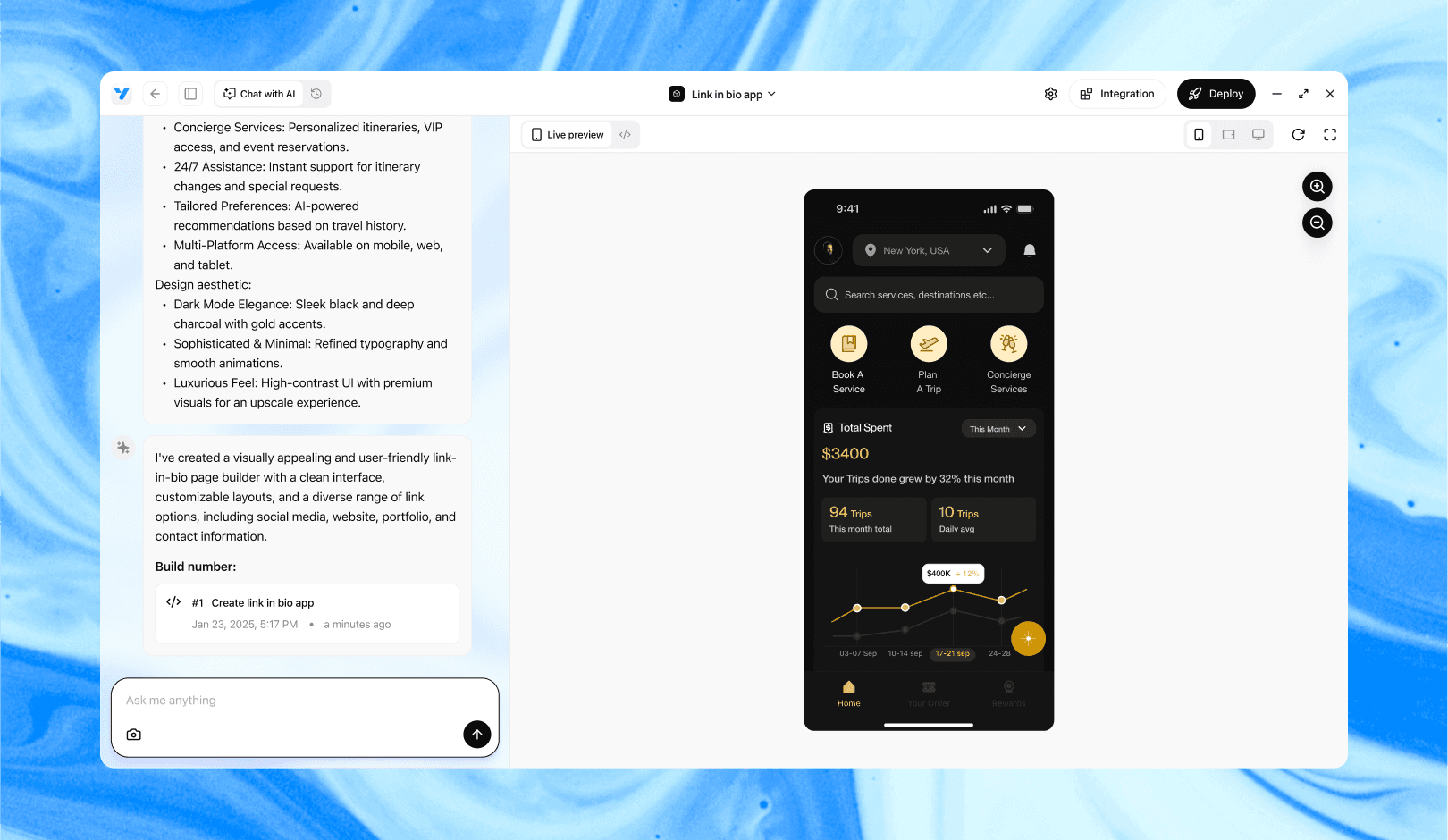
Vibe Studio, powered by Steve’s advanced AI agents, is a revolutionary no-code, conversational platform that empowers users to quickly and efficiently create full-stack Flutter applications integrated seamlessly with Firebase backend services. Ideal for solo founders, startups, and agile engineering teams, Vibe Studio allows users to visually manage and deploy Flutter apps, greatly accelerating the development process. The intuitive conversational interface simplifies complex development tasks, making app creation accessible even for non-coders.

Conclusion

Mastering the gesture arena unlocks precise, predictable touch interactions for Flutter mobile development. Use custom recognizers when domain rules demand it, combine recognizers with teams or explicit resolve calls to arbitrate complex decisions, and profile/debug aggressively to keep interactions snappy. The right balance between early acceptance and planned rejection is the core of responsive gesture UX: accept when certain, delay when you need more data, and coordinate recognizers to prevent false positives.


Introduction

Gesture arbitration in Flutter's gesture arena is critical when building rich, high-fidelity touch interactions on mobile. This article goes beyond basics to explore advanced concepts you need when multiple gesture recognizers must cooperate: custom recognizers, explicit acceptance/rejection, teams, delayed gestures, and performance considerations. Examples use RawGestureDetector and low-level recognizers so you can compose predictable multi-touch experiences in Flutter mobile development.

Gesture Arena Basics

The gesture arena is Flutter's mechanism for resolving competing gesture recognizers attached to the same pointer sequence. When a pointer event begins, recognizers that care about that pointer enter an arena. Each recognizer can claim, accept, or reject the gesture. The arena resolves when a recognizer accepts; others are then rejected. Understanding this lifecycle is essential: accept early when you are certain, delay acceptance if you may lose needed information (e.g., movement vs tap), and reject quickly when you cannot win so other recognizers can proceed.

Practical patterns:

  • Use TapGestureRecognizer for quick taps and Pan/Drag recognizers for movement. Let drag recognizers defer acceptance until motion exceeds a slop threshold.

  • Use GestureDetector for most cases; switch to RawGestureDetector for fine-grained control and custom recognizers.

Custom Gesture Recognizers

Custom recognizers let you encode domain-specific arbitration rules. Extend OneSequenceGestureRecognizer or PrimaryPointerGestureRecognizer to participate in the arena. Important lifecycle methods: addPointer, handleEvent, acceptGesture, rejectGesture, and resolve for explicit disposition control.

Example: a simplified custom recognizer that accepts only after a minimum distance is moved:

class DistanceBasedRecognizer extends OneSequenceGestureRecognizer {
  Offset? _start;
  @override
  void addPointer(PointerDownEvent event) => startTrackingPointer(event.pointer);
  @override
  void handleEvent(PointerEvent event) {
    if (event is PointerMoveEvent && _start==null) _start = event.position;
    if (event is PointerMoveEvent && (event.position - _start!).distance > 20) resolve(GestureDisposition.accept);
  }
  @override
  String get debugDescription => 'DistanceBased';
  @override
  void didStopTrackingLastPointer(int pointer) {}
}

This pattern gives precise control: you can call resolve(GestureDisposition.accept) only when domain conditions are met, otherwise let the arena decide later.

Combining Gesture Recognizers For Complex UI

Complex UIs often require simultaneous gestures (e.g., a carousel with nested swipe-to-dismiss and horizontal drag). Use GestureArenaTeam to let a group of recognizers win or lose together. Assign recognizers to the same team to coordinate acceptance.

Alternatively, coordinate using RawGestureDetector with GestureRecognizerFactoryWithHandlers to pass state between recognizers. Example pattern: a parent recognizer delays acceptance and, upon detecting a threshold, programmatically rejects itself so a child drag recognizer can accept.

Be mindful with PointerSignalEvent and pointer routing: when using Listener plus gesture recognizers, maintain pointers to avoid losing events.

Debugging And Performance Considerations

Debugging arenas is often the hardest part. Use these tactics:

  • Enable gesture arena logs: set debugPrintGestureArena to print arbitration or instrument recognizers with debugDescription in accepts/rejects.

  • Keep recognizers lightweight: heavy work in handleEvent will block the UI thread. Offload processing where possible.

  • Avoid creating many recognizer instances per frame. Reuse recognizers in RawGestureDetector by using factories correctly.

  • Test multi-touch scenarios on device. Emulators can misrepresent simultaneous pointers.

Performance pitfalls:

  • Heavy allocations in addPointer/handleEvent increase GC pressure. Cache state per pointer instead.

  • Overly eager acceptance can starve nested gesture handlers; overly late acceptance may result in sluggish perceived response.

When to use which approach:

  • Use GestureDetector for simple, single-level interactions.

  • Use RawGestureDetector when you need custom acceptance logic or to combine multiple low-level recognizers.

  • Create custom recognizers when your gesture semantics don't map cleanly to tap/drag/pinch primitives.

Vibe Studio

Vibe Studio, powered by Steve’s advanced AI agents, is a revolutionary no-code, conversational platform that empowers users to quickly and efficiently create full-stack Flutter applications integrated seamlessly with Firebase backend services. Ideal for solo founders, startups, and agile engineering teams, Vibe Studio allows users to visually manage and deploy Flutter apps, greatly accelerating the development process. The intuitive conversational interface simplifies complex development tasks, making app creation accessible even for non-coders.

Conclusion

Mastering the gesture arena unlocks precise, predictable touch interactions for Flutter mobile development. Use custom recognizers when domain rules demand it, combine recognizers with teams or explicit resolve calls to arbitrate complex decisions, and profile/debug aggressively to keep interactions snappy. The right balance between early acceptance and planned rejection is the core of responsive gesture UX: accept when certain, delay when you need more data, and coordinate recognizers to prevent false positives.

Build Flutter Apps Faster with Vibe Studio

Vibe Studio is your AI-powered Flutter development companion. Skip boilerplate, build in real-time, and deploy without hassle. Start creating apps at lightning speed with zero setup.

Other Insights

Join a growing community of builders today

Join a growing community of builders today

Join a growing community of builders today

Join a growing community of builders today

Join a growing community of builders today

28-07 Jackson Ave

Walturn

New York NY 11101 United States

© Steve • All Rights Reserved 2025

28-07 Jackson Ave

Walturn

New York NY 11101 United States

© Steve • All Rights Reserved 2025

28-07 Jackson Ave

Walturn

New York NY 11101 United States

© Steve • All Rights Reserved 2025

28-07 Jackson Ave

Walturn

New York NY 11101 United States

© Steve • All Rights Reserved 2025

28-07 Jackson Ave

Walturn

New York NY 11101 United States

© Steve • All Rights Reserved 2025

28-07 Jackson Ave

Walturn

New York NY 11101 United States

© Steve • All Rights Reserved 2025